

Modern agriculture faces the challenge of maintaining high yields while reducing environmental impact. Biological pest control has emerged as a promising alternative that uses living organisms—predators, parasitoids, and microorganisms—to manage pest populations more sustainably than traditional synthetic pesticides.
This approach includes techniques such as releasing enhanced beneficial insects, applying specific microorganisms, and using plant-derived compounds. While these innovations show promising results in various agricultural applications, their successful implementation requires careful consideration of crop-specific and regional factors.
Current Techniques in Biological Control
Enhanced Beneficial Insects

Advances in biotechnology have enabled the development of beneficial insects with improved characteristics. For example, recent research has documented that certain modified varieties of ladybugs may show greater efficacy in aphid control compared to wild populations (Journal of Insect Science). However, the use of modified organisms requires compliance with specific regulations and evaluation of potential ecological impacts.
Microbial Solutions

Specific bacteria, fungi, and viruses offer biological alternatives for pest control. Bacillus thuringiensis (Bt) is a well-established example: it produces proteins toxic to certain lepidopteran larvae while maintaining a favorable safety profile for humans and non-target organisms. Growers who have implemented Bt treatments in corn and cotton report significant reductions in infestations, though results may vary depending on local conditions and management practices.
Plant-Based Compounds
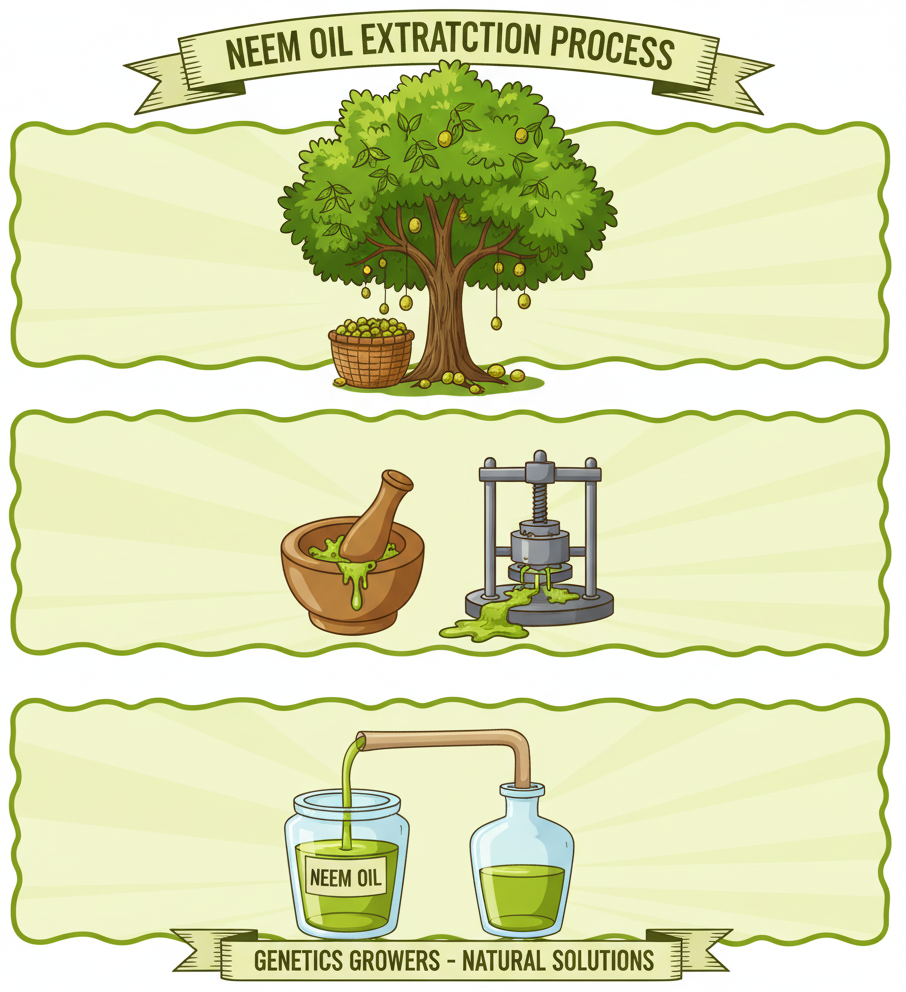
Plant extracts such as neem oil and other natural compounds have shown pesticidal activity in controlled studies. Research indicates they can reduce pest populations when properly integrated into management programs. However, their efficacy can be variable and generally requires more frequent applications than synthetic pesticides, visit Genetics Growers and discover the latest in eco-friendly solutions.
Benefits of Biological Pest Control Innovations
Adopting Biological Pest Control Innovations offers numerous advantages, both environmentally and economically. These methods significantly reduce the reliance on chemical pesticides, which are often associated with negative impacts on ecosystems and human health. By utilizing natural predators, parasitoids, and pathogens, growers can achieve effective pest management while promoting biodiversity and sustainability.
Compared to traditional pest control methods, biological approaches provide a more sustainable solution. They help maintain the ecological balance, reduce the risk of pesticide resistance, and support organic farming practices. This shift not only benefits the environment but also aligns with consumer demands for eco-friendly and organic produce.
Environmental Impact
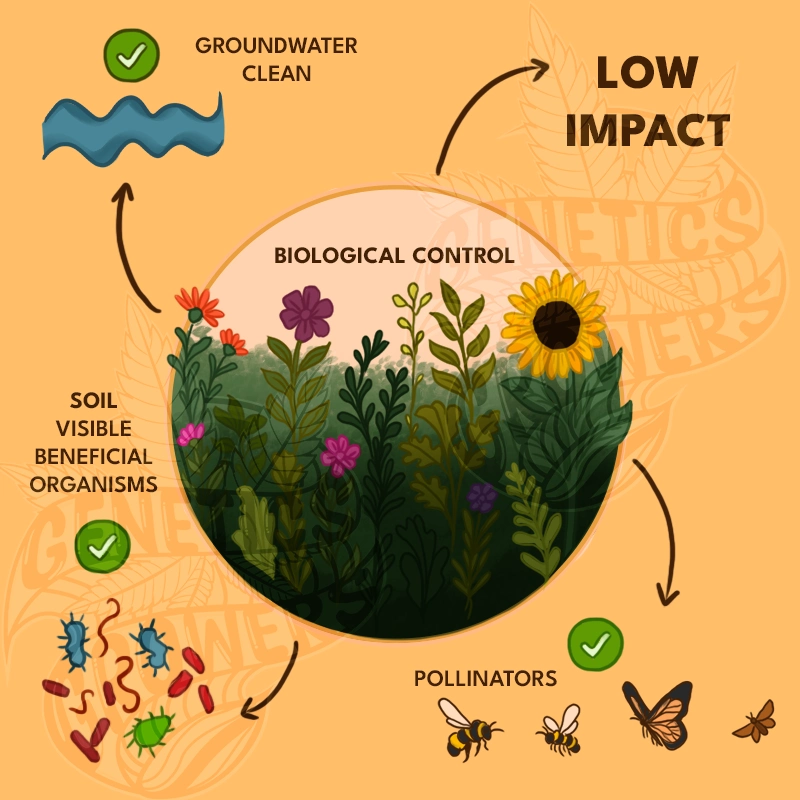
Biological control can reduce dependence on synthetic pesticides, potentially decreasing water and soil contamination. Studies suggest these methods are more selective, affecting beneficial organisms like pollinators to a lesser extent. However, the introduction of non-native organisms requires rigorous evaluations to prevent unintended ecological impacts.
Economic Advantages

While some studies indicate that biological control may reduce input costs in the long term, initial investment can be significant. Growers must consider factors such as:
- Implementation and training costs
- Time required to establish beneficial organism populations
- Variability in efficacy depending on environmental conditions
- Need for more intensive monitoring
Implementation Challenges
Biological control presents certain limitations:
- Speed of action: Generally acts more slowly than chemical pesticides
- Environmental conditions: Efficacy may be affected by temperature, humidity, and other factors
- Specificity: Each biological agent is typically effective against a limited range of pests
Storage and application: Many biological products have special handling requirements.
Case Studies
Onion Crops in California
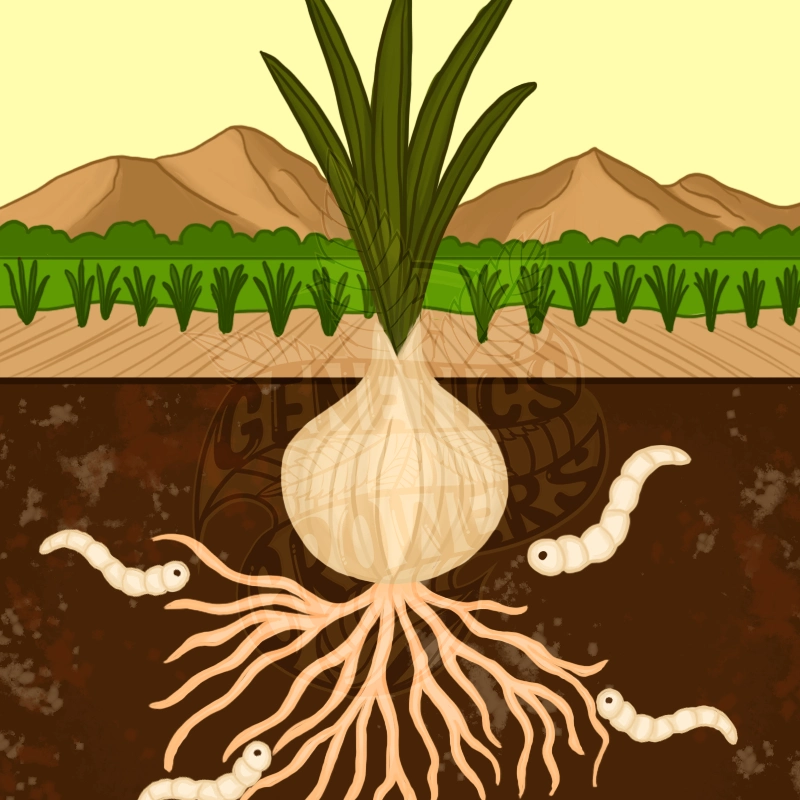
Implementation of beneficial nematodes to control onion fly larvae showed reductions of up to 70% in infestations in field studies (Journal of Nematology). Results were most consistent when combined with appropriate cultural practices.
Citrus in Florida

The use of Trichoderma fungus to manage root rot resulted in improvements in plant health and yields. However, University of Florida researchers note that results vary considerably depending on soil type and irrigation conditions.
Avocados in Mexico
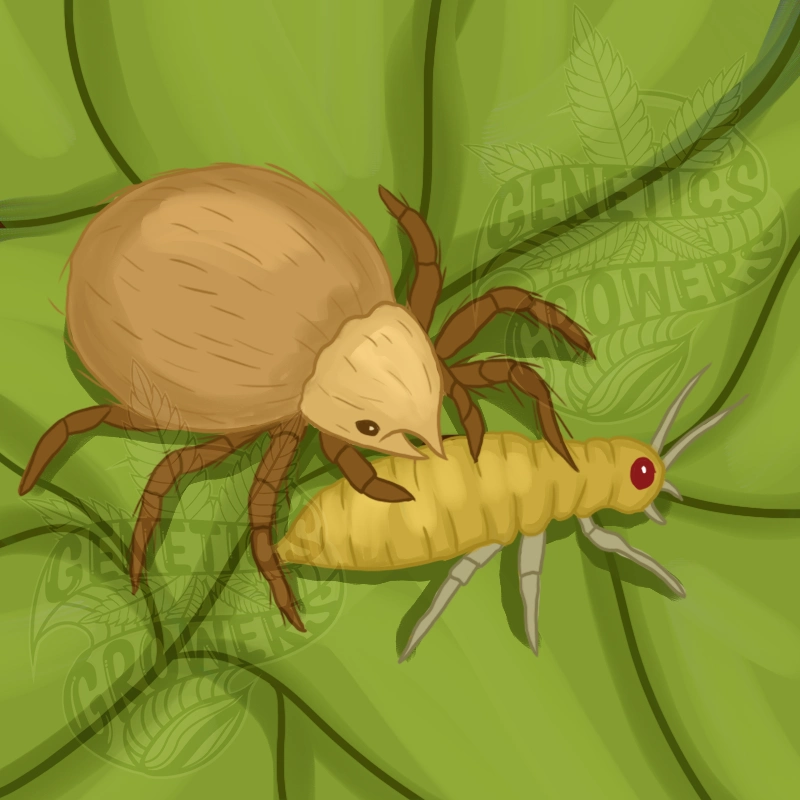
The release of predatory mites to control thrips showed promising results in pilot studies. Mexico’s Ministry of Agriculture reports improvements in fruit quality, though large-scale implementation is still being evaluated.
Future Perspectives
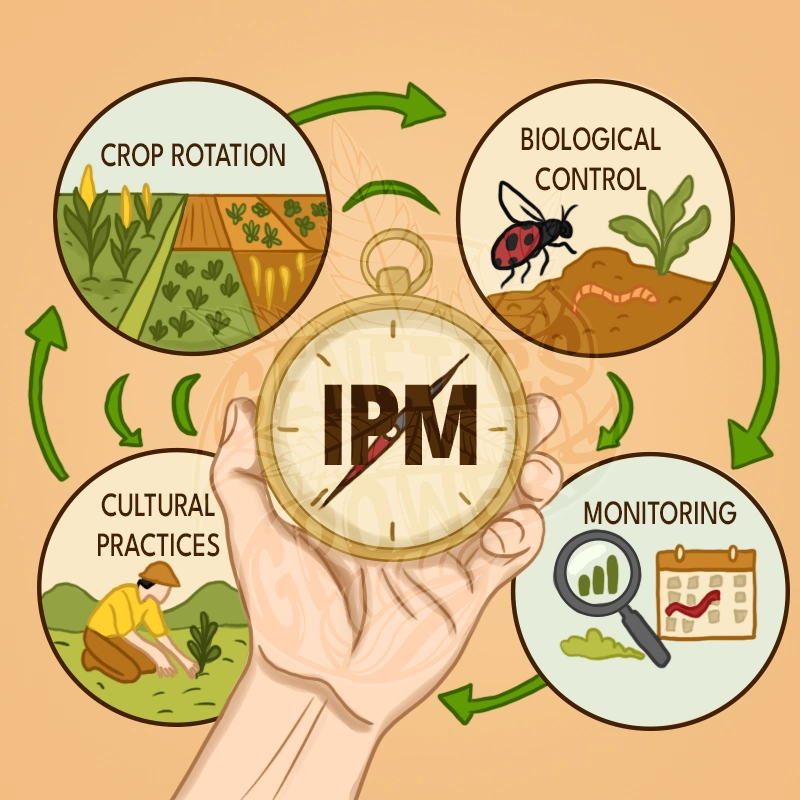
Biological control represents a valuable tool within integrated pest management (IPM). Its greatest potential is realized when strategically combined with other sustainable agricultural practices, including:
- Crop rotation
- Habitat management for beneficial organisms
- Regular monitoring of pest populations
- Selective use of pesticides when necessary
Key Considerations for Growers
Prior assessment: Analyze specific pests and local conditions before implementing Training: Invest in understanding the techniques and their proper application Monitoring: Establish tracking systems to evaluate efficacy Patience: Recognize that results may take time to establish
Conclusion

Biological pest control offers significant opportunities for developing more sustainable agricultural systems. While it presents clear environmental advantages and economic potential, its successful implementation requires careful planning, adequate training, and realistic expectations regarding timing and results.
Growers interested in these technologies should consider starting with small-scale pilot programs, working with integrated pest management specialists, and continuously evaluating results before expanding their use.
For more insights and resources, visit Genetics Growers and join our community of like-minded growers dedicated to eco-friendly farming.
wow.. Biological control is the future, and it’s very promising to see how innovation is making it more reliable and effective.
I’m especially interested in how biotechnology is creating more resilient agents. We urgently need to reduce chemicals, and if these natural solutions perform better in the field, it will be a huge step for sustainability. I will definitely look into applying this to my crops!”
Es importante que cualquier cultivador conozca estas técnicas para el control de plagas y así reducir el impacto quimico por el bien de nosotros y el medio ambiente!!! Excelente