

As global awareness of environmental challenges continues to grow, the demand for eco-friendly products is set to soar in 2025. Sustainability is no longer a niche concern; it has become a central factor in how consumers choose the products they use every day. According to global sustainability reports, consumer preference for environmentally responsible brands continues to rise year over year.
Today’s consumers are not only looking for products that benefit the planet; they also expect solutions that enhance their lifestyle while reducing their carbon footprint. This intersection of innovation and sustainability is accelerating the development of eco-friendly products across multiple industries (United Nations Environment Programme [UNEP], ).
At Genetics Growers, we understand the evolving needs of our community—gardeners, agricultural enthusiasts, and growers at every stage of experience. Our mission is to provide insights and resources that empower informed decisions aligned with sustainable innovation.
Join our community to stay informed about the latest eco-friendly product trends and discover expert resources that support sustainable growing practices.
Innovative Materials Redefining Eco-Friendly Products

Innovative materials are at the forefront of sustainability, transforming how eco-friendly products are designed and manufactured. The adoption of recycled and renewable materials significantly reduces environmental impact while maintaining high performance standards (UNEP).
One of the most notable developments is the increased use of recycled plastics. Major global companies have committed to reducing virgin plastic consumption by integrating recycled materials into their products. For example, Google announced its goal to use at least 50% recycled or renewable plastic in its hardware products by 2025 (Google, 2023). Similarly, Adidas has pioneered footwear made partially from ocean plastic, demonstrating the scalability and commercial viability of recycled materials in consumer goods (Adidas, 2023).
Revolutionary Plant-Based Materials
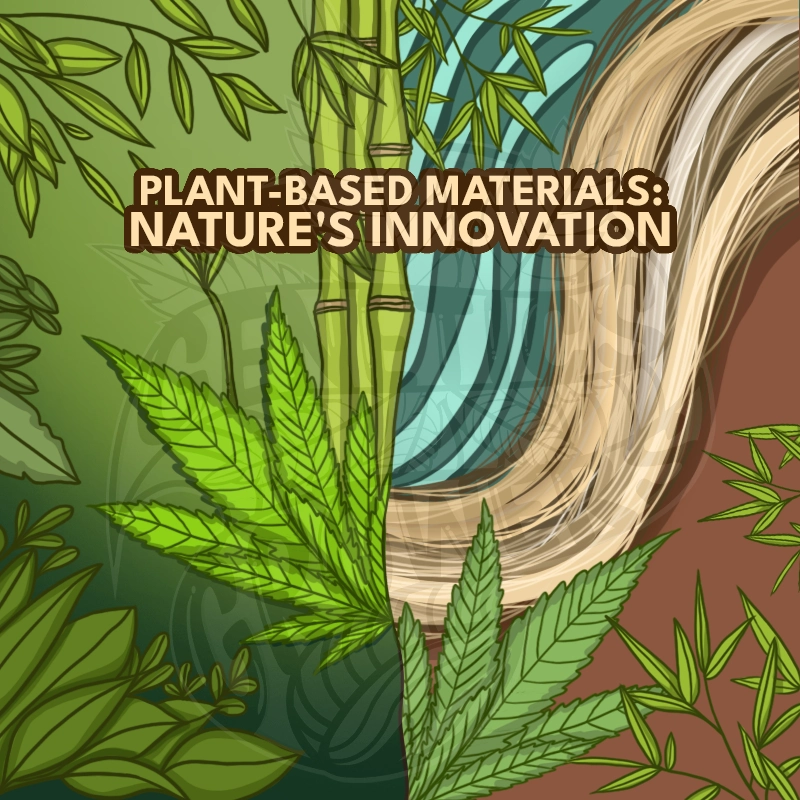
Plant-based materials are another major innovation reshaping eco-friendly product trends. Derived from renewable sources, these materials offer sustainable alternatives to petroleum-based plastics. Biodegradable packaging produced from plant starches and algae helps reduce landfill waste and supports compostable product cycles (UNEP, 2023).
In the textile sector, fibers such as hemp and bamboo are gaining popularity due to their lower water requirements, durability, and biodegradability. These materials are increasingly adopted by sustainable fashion brands seeking to reduce environmental impact while maintaining quality and functionality (World Economic Forum, 2023).
Case Studies: Success Stories in Material Innovation
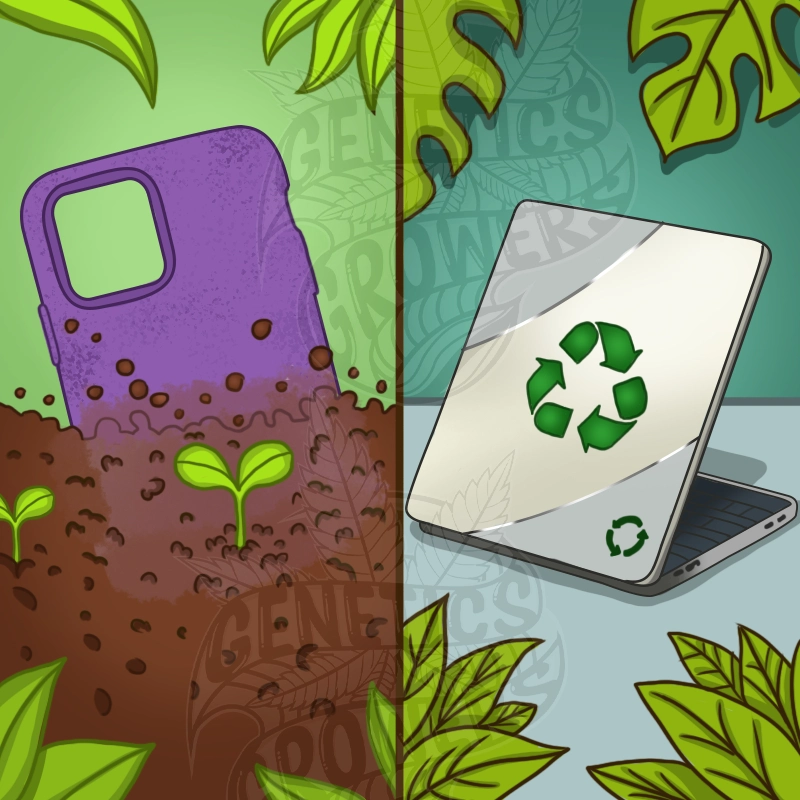
Several companies already demonstrate the tangible benefits of sustainable material innovation. Pela Case manufactures compostable phone cases designed to reduce plastic waste and lower carbon emissions compared to traditional plastic cases (Pela Case, 2023).
In the technology sector, Dell has incorporated recycled plastics and metals into its products and packaging. In 2024, the company reported using more than 95 million pounds of recycled or renewable materials across its product lines, reinforcing its commitment to circular design principles (Dell Technologies, 2024).
Circular Economy and Its Impact on Eco-Friendly Products
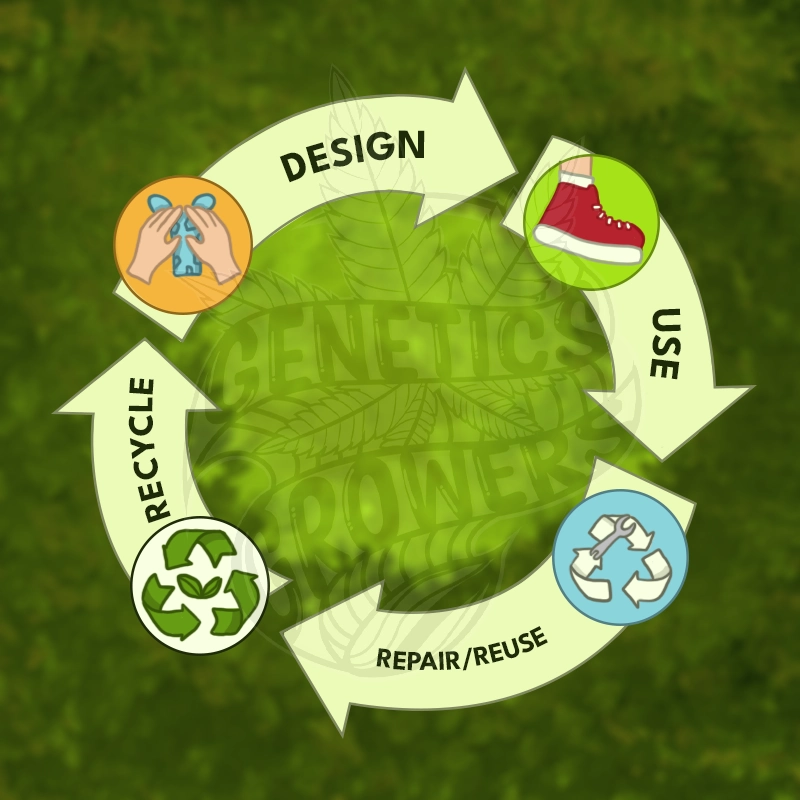
The circular economy represents a fundamental shift away from the traditional “take, make, dispose” model. Instead, it emphasizes reuse, recycling, and regeneration, significantly reducing waste while maximizing resource efficiency
Principles of the Circular Economy
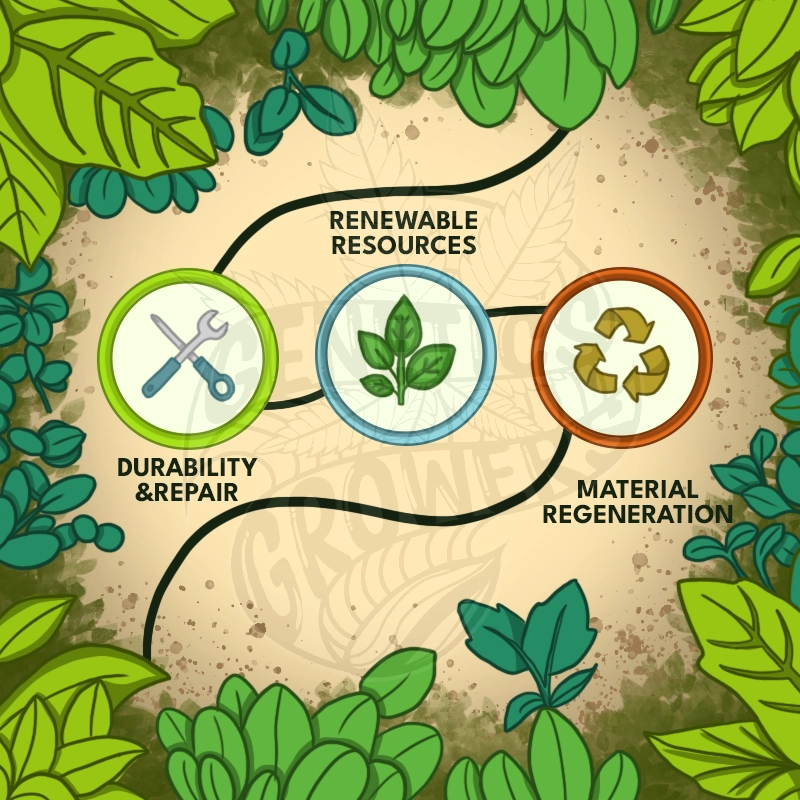
The circular economy represents a fundamental shift away from the traditional “take, make, dispose” model. Instead, it emphasizes reuse, recycling, and regeneration, significantly reducing waste while maximizing resource efficiency
This approach not only benefits the environment but also strengthens brand credibility and consumer trust, particularly among sustainability-conscious audiences (United Nations Environment Programme [UNEP], 2023).
Companies Leading Circular Innovation
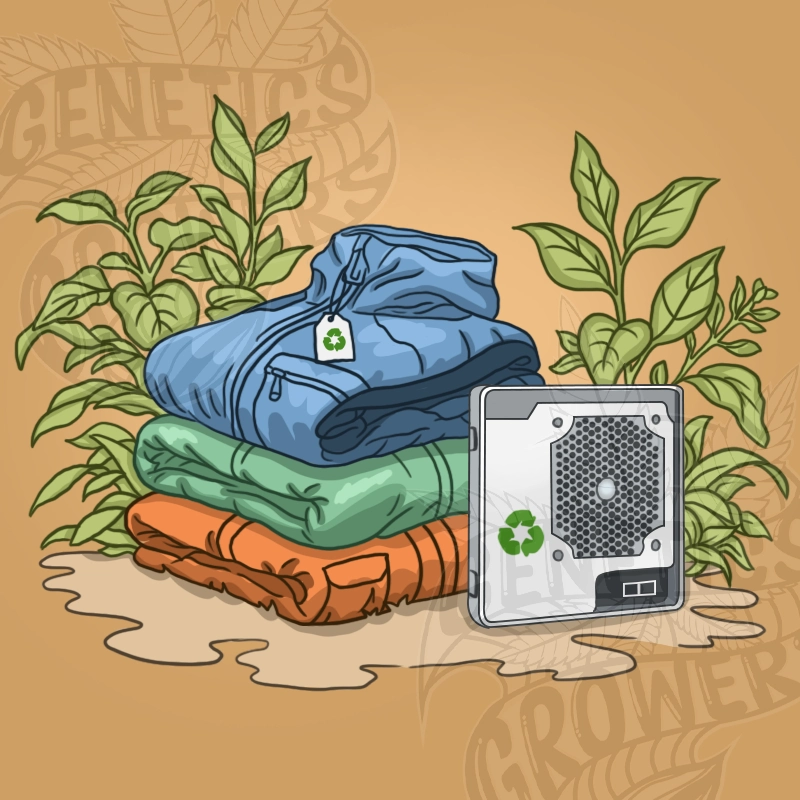
Several global brands are already demonstrating the effectiveness of circular economy practices. Patagonia, for example, operates a take-back and repair program that allows customers to return worn garments for reuse or recycling, extending product lifespan and reducing textile waste.
In the technology sector, Dell continues to expand its circular design strategy by offering device recycling services and increasing the use of recycled materials. These initiatives reduce reliance on virgin resources while diverting electronic waste from landfills (Dell Technologies, 2024).
For individuals passionate about gardening and agriculture, such as those in the Genetics Growers community, understanding and supporting circular economy practices can lead to more sustainable cultivation methods and products. By choosing products that align with these principles, you can contribute to a greener future while enjoying the benefits of innovative, eco-friendly solutions.
Technological Advancements in Eco-Friendly Products

Technology plays a critical role in accelerating sustainable innovation. Smart home devices, energy-efficient systems, and renewable energy technologies help reduce emissions while improving operational efficiency. According to the International Energy Agency, renewable energy solutions—particularly solar power—continue to expand due to increased efficiency and declining costs (International Energy Agency [IEA], 2023).
Advanced recycling technologies and AI-powered waste-sorting systems are also improving recycling rates and reducing landfill dependency, directly supporting circular economy objectives (World Economic Forum).
Embracing Eco-Friendly Innovations for a Sustainable Future
As 2025 approaches, eco-friendly product trends are reshaping markets and lifestyles alike. By embracing innovative materials, circular economy practices, and sustainable technologies, individuals and businesses can significantly reduce environmental impact while maintaining quality and efficiency.
The integration of these technological advancements into eco-friendly products is crucial for achieving sustainability goals. As we continue to innovate, the potential for technology to drive positive environmental change is immense.
At Genetics Growers, we invite you to explore these exciting developments and incorporate them into your gardening and agricultural practices. Join our community to stay informed about the latest trends and innovations in eco-friendly products. Together, we can contribute to a more sustainable future. Share your thoughts and experiences in the comments, and don’t forget to explore more resources and tips on our website.