

Advanced Soil Health Monitoring Techniques for Better Plant Growth

Are you putting time, effort, and care into your garden but not seeing the results you expect?
Many plant issues don’t begin above the surface—they start underground. When soil conditions are not properly monitored, important signals can go unnoticed, directly affecting plant health and productivity.
Understanding how soil behaves is key to improving growing outcomes. Today, with more accessible tools and data, growers can move beyond guesswork and make more informed decisions over time.
In this guide, you’ll explore advanced methods such as drone imaging, spectroscopic analysis, and real-time sensor technology, along with practical ways to begin applying them.
Understanding the Basics of Soil Health Monitoring
Before exploring advanced tools, it’s important to understand what defines healthy soil.
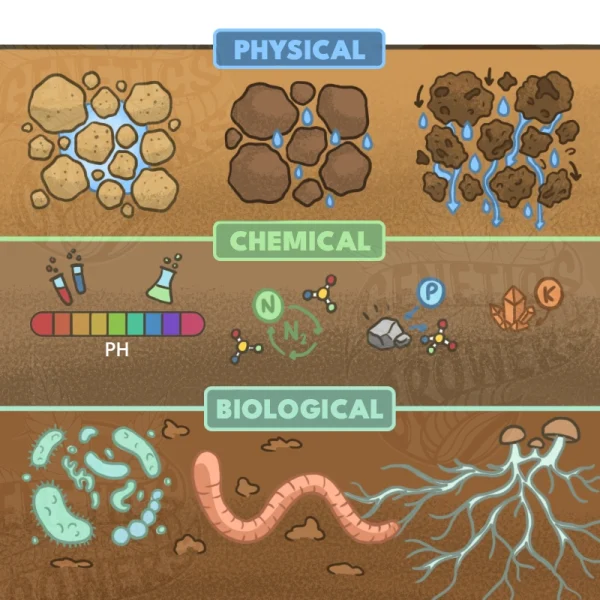
Soil is a dynamic system that supports plant growth, regulates water, and sustains biological activity. Evaluating its condition involves looking at three key components: physical, chemical, and biological properties.
Physical Soil Properties
Soil texture, structure, and porosity play a fundamental role in plant development.
- texture influences how water and nutrients are retained
- structure affects root expansion and airflow
- porosity determines how water and oxygen move through the soil
For example, sandy soils tend to drain quickly but often struggle to retain nutrients. Clay soils, on the other hand, hold moisture more effectively but can become compacted, restricting root growth.
When plant performance is limited despite proper care, soil structure is often a contributing factor.
Chemical Soil Properties
Soil chemistry determines how effectively plants can absorb nutrients.
- pH levels affect nutrient availability
- macronutrients (N, P, K) support plant growth
- cation exchange capacity (CEC) influences how nutrients are stored and released
In some cases, nutrients may be present in the soil but not accessible to plants. Monitoring these variables helps guide more precise and efficient fertilization practices.
Biological Soil Properties
Healthy soil depends on active biological life.
Microorganisms, fungi, and earthworms play an important role in:
- breaking down organic matter
- cycling nutrients
- improving soil structure
- supporting plant resilience
When biological activity is balanced, plants are generally better equipped to grow and respond to environmental stress.
Innovative Technologies in Soil Health Monitoring
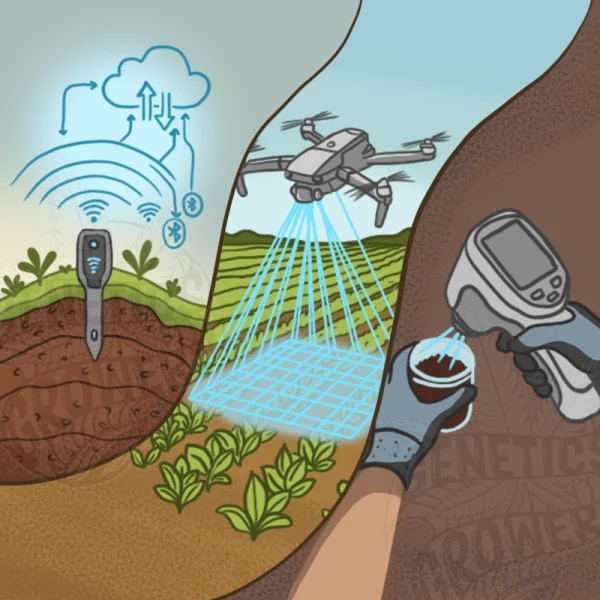
Modern tools have made it easier to analyze soil conditions with greater accuracy and consistency.
Sensor Technology
Soil sensors provide real-time data on conditions such as moisture, temperature, pH, and nutrient levels.
This information allows growers to adjust irrigation and fertilization more precisely, improving efficiency while reducing unnecessary input use.
Drones and UAVs
Aerial tools offer a broader view of soil and crop conditions, especially across larger areas.
They can help identify:
- early signs of plant stress
- variations in soil conditions across different zones
By detecting these patterns early, growers can respond before visible damage occurs.
Spectroscopic Methods
Spectroscopic techniques analyze soil composition at a detailed level, providing insight into organic matter, nutrient content, and structural characteristics.
These methods are faster than traditional laboratory testing and can support more consistent monitoring over time.
Applying Soil Monitoring in Practice
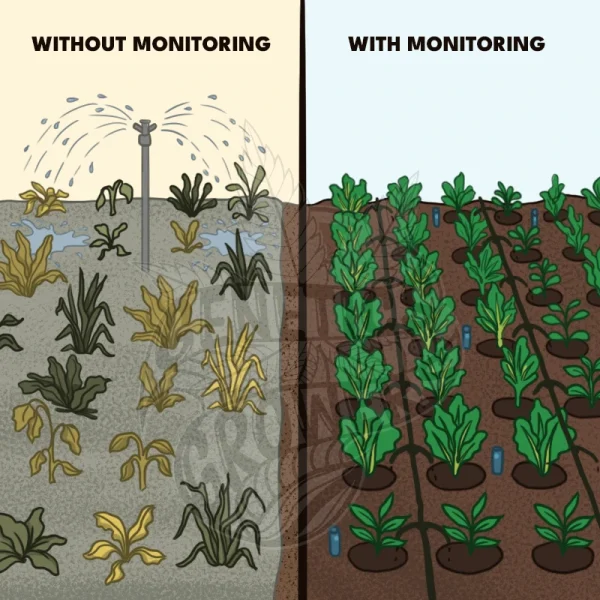
Applying these techniques does not require large-scale operations. Even simple changes can lead to meaningful improvements over time.
By monitoring soil conditions, growers can:
- improve plant health and resilience
- increase consistency in yields
- reduce water and fertilizer waste
- support more consistent, data-informed decision-making
For beginners, the key is not complexity, but consistency. Small, regular observations often provide more value than occasional advanced measurements.
What Changes When You Monitor Your Soil

When soil monitoring becomes part of regular practice, several improvements tend to emerge over time:
- more consistent and predictable plant growth
- earlier identification of potential issues
- more efficient use of water and inputs
- greater confidence in decision-making
These changes do not happen instantly, but they build progressively as understanding of the soil improves.
How to Start Applying These Techniques
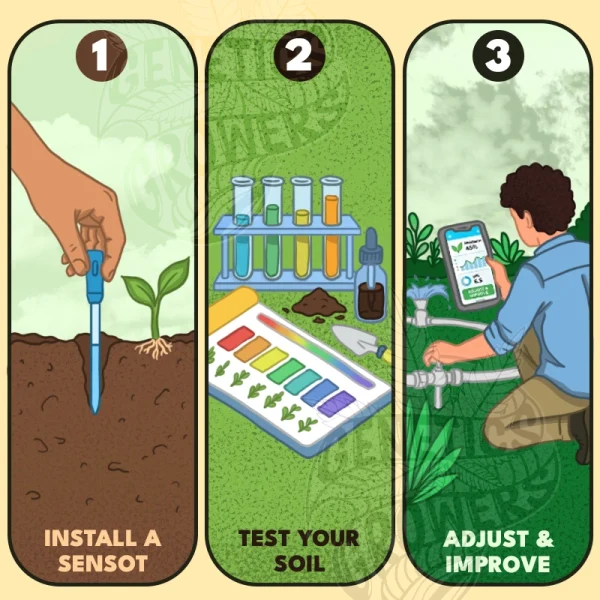
Getting started does not require complex systems. A simple and practical approach is often the most effective.
You can begin by:
- starting with a basic soil moisture sensor
- testing soil periodically to better understand nutrient levels
- adjusting practices based on observed data rather than assumptions
Over time, these habits help build a clearer picture of how soil conditions affect plant performance.
Why Soil Monitoring Is Essential
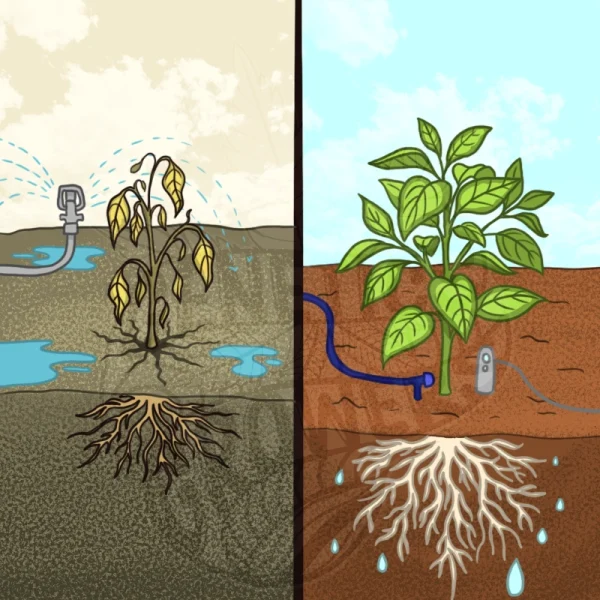
The difference between average and high-performing growing systems often lies in what is happening beneath the surface.
Soil monitoring provides the insight needed to understand those underlying conditions and respond more effectively.
By developing a more consistent approach to observation and adjustment, growers can:
- strengthen plant health
- improve resource efficiency
- support more sustainable growing practices
Final Thoughts
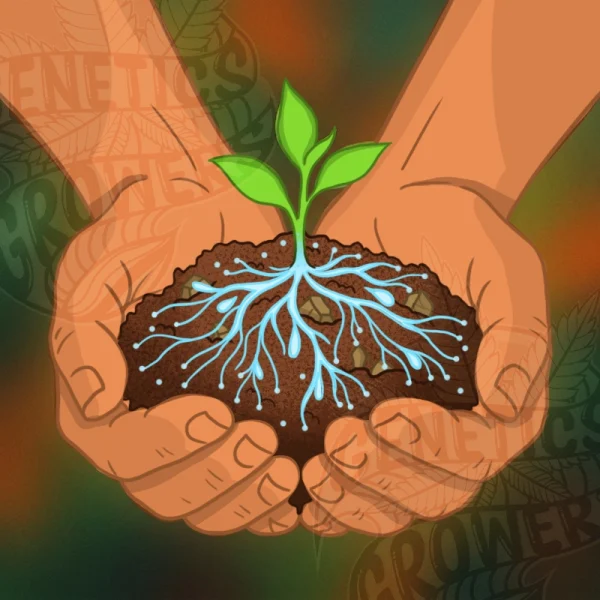
Soil monitoring is not about using the most advanced tools, but about developing a deeper understanding of the growing environment.
By observing soil conditions consistently and making gradual, informed adjustments, growers can improve plant health, optimize resource use, and achieve more reliable results over time.
In the long run, this approach helps build a more balanced, efficient, and sustainable way of growing.