

Hybrid Plant Cultivation: Innovative Strategies for Enhanced Growth

In today’s evolving agricultural landscape, the demand for more resilient and productive crops continues to drive innovation in hybrid plant cultivation. These strategies go beyond trends—they form the foundation of modern growing practices, offering practical solutions to long-standing challenges faced by growers.
Whether you’re an experienced cultivator or just beginning your journey, understanding hybrid techniques can significantly improve how you approach plant growth and productivity.
At Genetics Growers, we believe knowledge is the foundation of successful cultivation. Our mission is to equip growers with the insights and tools needed to navigate the complexities of hybrid plant development. By exploring advanced techniques, you can strengthen crop resilience, improve performance under environmental stress, and ultimately achieve more consistent and abundant harvests.
So why are hybrid strategies so important? Their value lies in combining the strongest traits of different plant varieties. The result is a new generation of plants that are not only more robust but also better adapted to changing environmental conditions. This adaptability is essential in addressing modern agricultural challenges such as climate variability, pest pressure, and soil degradation.
In this article, we explore the strategies shaping hybrid plant cultivation—from foundational concepts to more advanced approaches. Whether your goal is to refine your current methods or explore new opportunities, this guide will help you move forward with clarity and confidence.
Understanding Hybrid Plant Cultivation and Its Benefits
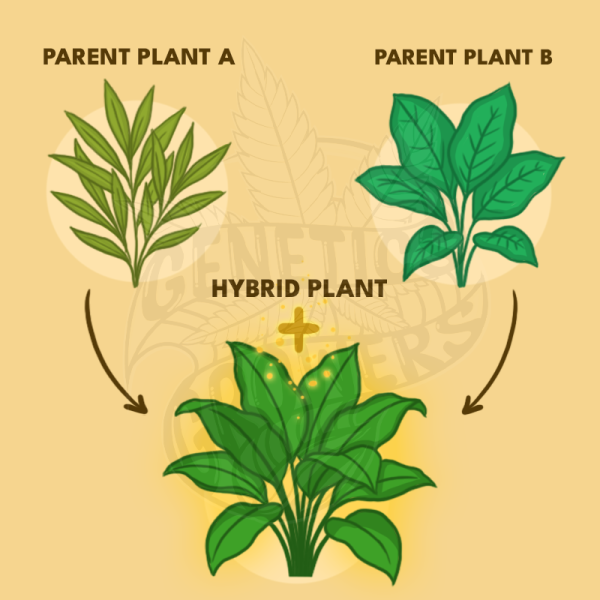
Hybrid plant cultivation represents the intersection of science and practical agriculture. By cross-breeding genetically distinct parent plants, growers can develop offspring with improved traits, including better growth, higher yield, and increased resilience.
This process, known as hybridization, goes beyond creating new plant varieties—it focuses on optimizing overall plant performance.
One of the most important outcomes of hybridization is hybrid vigor, also known as heterosis. This refers to the enhanced qualities observed in hybrid plants compared to their parent lines, such as faster growth, improved resistance to disease, and greater tolerance to environmental stress.
For growers, this translates into more reliable and productive crops.
Understanding the Hybridization Process
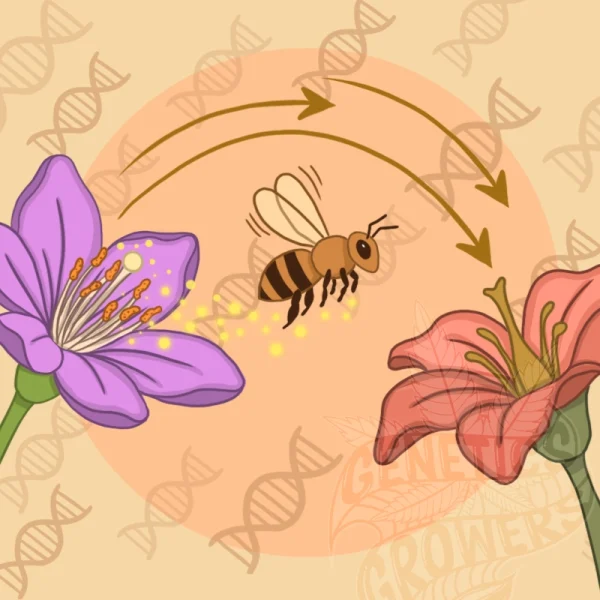
Hybridization involves selecting two parent plants with desirable traits and cross-pollinating them to produce improved offspring.
For example, a drought-resistant plant can be combined with a high-yield variety, resulting in a hybrid that performs well under water-limited conditions while maintaining high levels of productivity.
Although the concept has been used for decades, modern hybridization techniques are more precise than ever. Careful selection of parent plants remains essential, as it directly influences the traits expressed in future generations.
This scientific approach has transformed agriculture, providing growers with more adaptable and efficient plant varieties.
Key Advantages of Hybrid Plants
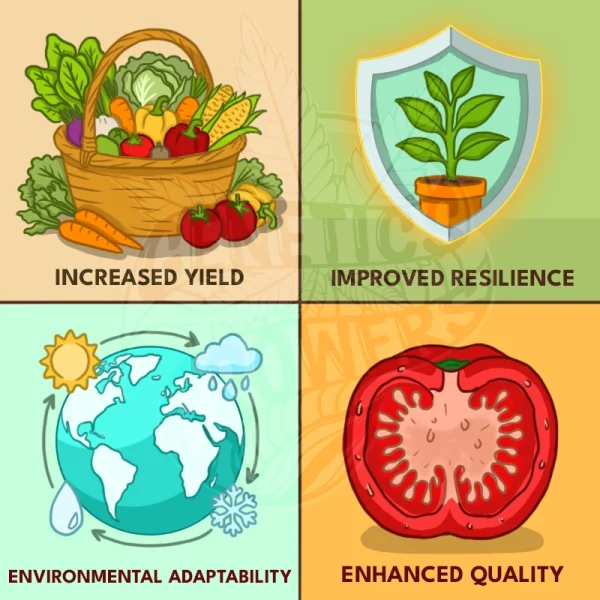
Hybrid plants offer a range of advantages that make them highly valuable in both small-scale and commercial cultivation:
- Increased yield: Higher productivity per plant leads to more efficient harvests
- Improved resilience: Greater resistance to pests and diseases reduces crop loss
- Environmental adaptability: Ability to perform well across different climates and soil conditions
- Enhanced quality: Improvements in taste, texture, and nutritional value
These benefits contribute directly to more sustainable and profitable growing systems.
Case Study: The Success of Hybrid Corn
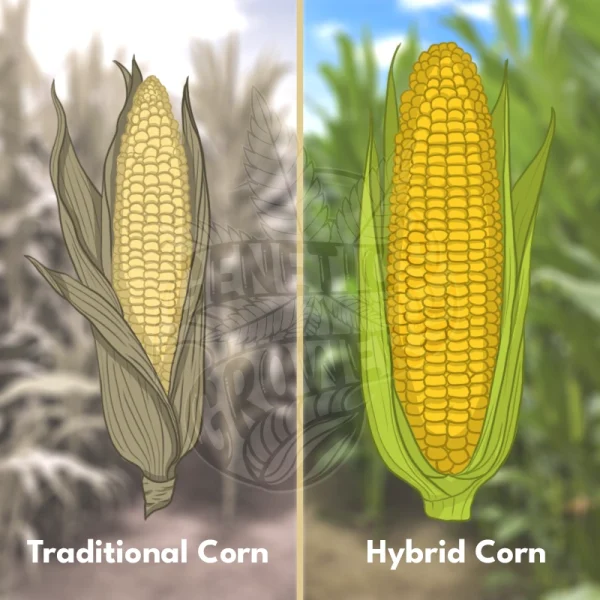
A well-known example of successful hybridization is hybrid corn. Since its development in the early 20th century, it has consistently demonstrated higher yields and better adaptability compared to traditional varieties.
Its widespread adoption highlights the real-world impact of hybrid cultivation. Hybrid corn’s ability to perform under varying environmental conditions while maintaining high levels of productivity makes it a model for future advancements in other crops.
For more insights into hybrid cultivation strategies, explore our resources at Genetics Growers and become part of a growing community of informed cultivators.
Innovative Strategies for Hybrid Plant Cultivation
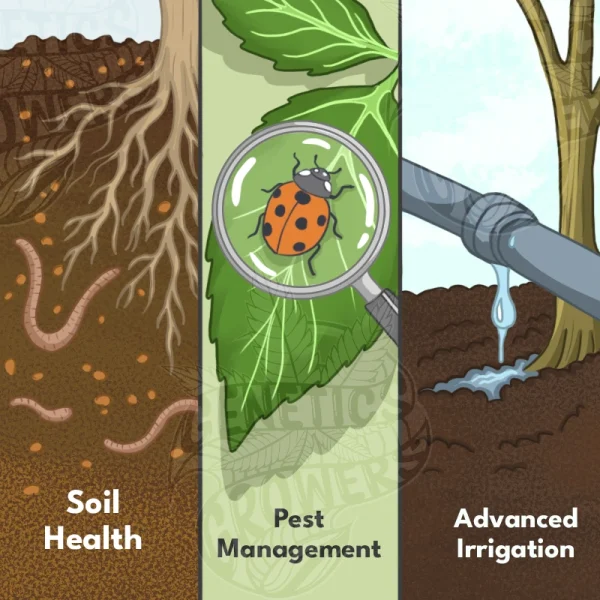
Maximizing the potential of hybrid plants requires more than strong genetics—it depends on how those plants are managed. The following strategies play a key role in improving performance, yield, and resilience.
Soil Health and Preparation
Healthy soil is the foundation of any successful cultivation system.
Start with a soil analysis to understand pH levels and nutrient composition, allowing you to make precise adjustments based on your crop’s needs.
Incorporating organic matter such as compost improves soil structure, enhances nutrient availability, and supports beneficial microbial activity. Practices like crop rotation and cover cropping also help maintain long-term soil health and prevent nutrient depletion.
Precision Pest Management
Protecting hybrid plants from pests requires a balanced and strategic approach.
Integrated Pest Management (IPM) combines monitoring, biological controls, and cultural practices to reduce pest impact while minimizing reliance on chemical inputs.
Introducing beneficial insects, rotating crops, and diversifying planting systems can significantly reduce infestations while maintaining ecological balance.
Advanced Irrigation Techniques
Efficient water management is essential for optimal plant development.
Techniques such as drip irrigation and precision watering systems allow growers to deliver water directly to the root zone, optimizing water use while minimizing the risk of overwatering.
Using soil moisture sensors provides real-time data, enabling more accurate irrigation scheduling and improving overall resource efficiency.
Challenges and Solutions in Hybrid Plant Cultivation
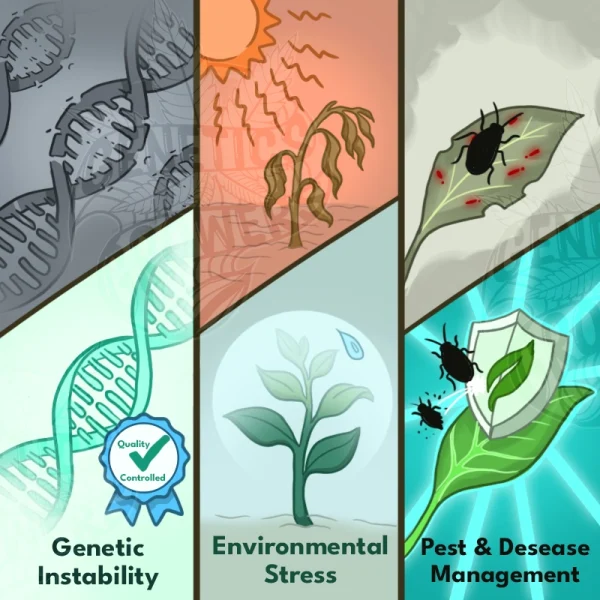
While hybrid cultivation offers many advantages, it also presents specific challenges that growers must address strategically.
Genetic Instability
Hybrid plants can show variability in later generations, which may lead to inconsistent trait expression.
To manage this, it is important to maintain controlled breeding conditions and carefully select stable parent lines. Tools like molecular markers can also help track desirable traits and reduce uncertainty.
Environmental Stress
Factors such as drought, temperature fluctuations, and soil salinity can affect plant performance.
Using resilient hybrid varieties, combined with proper irrigation and soil management practices, can significantly reduce the impact of these stressors.
Pest and Disease Management
Like all crops, hybrid plants remain vulnerable to pests and diseases.
An integrated approach that includes monitoring, biological controls, and preventive practices is essential to maintaining plant health and minimizing losses.
Unlocking the Potential of Hybrid Plant Cultivation

Hybrid plant cultivation represents a powerful approach to modern agriculture. By combining strong genetics with effective management strategies, growers can significantly improve both productivity and resilience.
Key takeaways include:
- Hybrid vigor leads to stronger, more productive plants
- Soil health and pest management are essential for consistent results
- Efficient irrigation improves resource use and plant performance
- Controlled breeding helps maintain genetic stability
These principles highlight the importance of a balanced, science-based approach to cultivation.
As you continue refining your growing practices, consider how hybrid strategies can be adapted to your specific environment. Even small adjustments can lead to meaningful improvements in both yield and plant health.
Explore more resources at Genetics Growers and connect with a community of growers committed to innovation and sustainable cultivation.
Join the discussion and share your insights and experiences in the comments section.