
Exploring the Entourage Effect: The Power of Plant Synergy
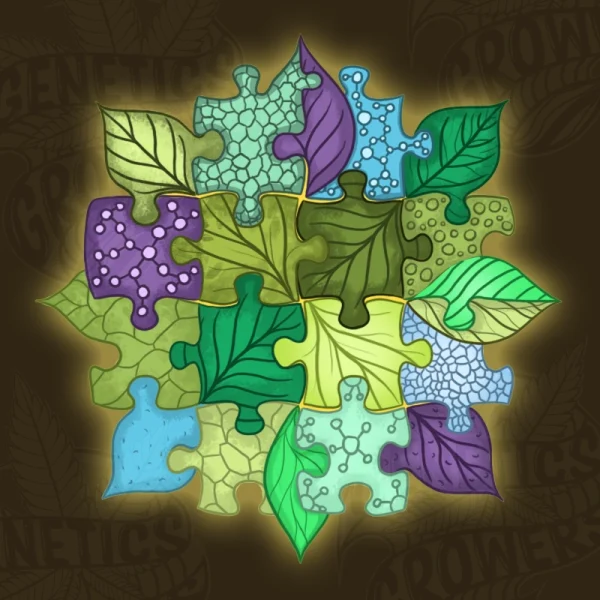
Have you ever wondered why certain plants seem to deliver stronger, more complex effects when used in their natural form? The answer may lie in what scientists call the entourage effect—a phenomenon in which multiple plant compounds interact, amplifying the results they produce together.
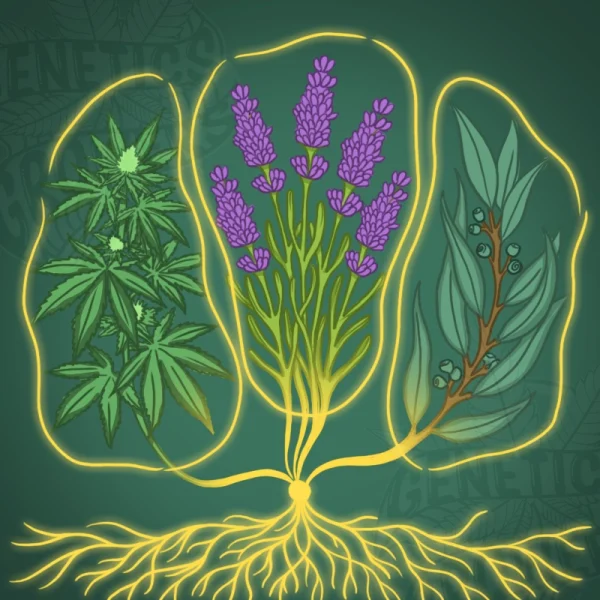
Rather than acting in isolation, compounds like cannabinoids, terpenes, and flavonoids function as part of an interconnected system. This synergy is especially well-known in cannabis, but it extends far beyond a single plant species.
At Genetics Growers,
we explore how plant biology translates into real-world applications for growers, researchers, and enthusiasts alike. Understanding the entourage effect not only deepens your knowledge of plant science—it can also reshape how products are selected and applied for therapeutic purposes.
In this article, we explore the entourage effect and explain why it plays such an important role. We also examine:
- Which plants exhibit this phenomenon
- The ways it influences health in humans and animals
Ready to uncover how plants unlock their full potential through synergy? Let’s dive in.
The Entourage Effect Explained: Why It Matters
The entourage effect refers to the synergistic interaction between multiple compounds within a plant, producing a result that exceeds what each component could achieve individually.
This concept is most widely studied in cannabis, where cannabinoids such as THC and CBD interact with terpenes to potentially enhance therapeutic outcomes like pain relief and anxiety reduction. While the research is promising, it is still evolving, and some findings highlight the need for further validation.
One key idea to keep in mind is this:
Plants are not simply collections of isolated chemicals—they are complex biological systems designed to function in harmony.
Beyond Cannabis: Plants That Demonstrate Synergy
Although cannabis is the most recognized example, the entourage effect can be observed across multiple plant species.
Lavender: A Calming Synergy:
Lavender’s relaxing properties are not driven by a single compound. Instead, they emerge from the interaction between linalool and linalyl acetate, which together enhance its calming and sedative effects.
This is why whole-plant extracts often deliver more consistent and noticeable results than isolated components.
Eucalyptus: Respiratory Support Through Complexity:
Eucalyptus contains eucalyptol, but its true effectiveness lies in how this compound interacts with other terpenes. Together, they contribute to anti-inflammatory effects, improved respiratory function, and enhanced decongestant properties.
Once again, synergy—not isolation—makes the difference.
What This Means for Growers
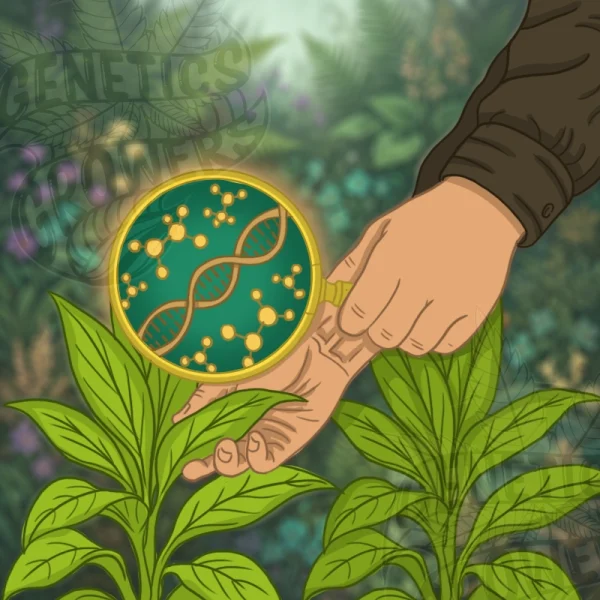
For cultivators and plant enthusiasts, this insight changes the approach entirely.
Focusing on a single compound can be limiting. The true value of a plant lies in its full chemical profile, where each component contributes to a broader, more complex effect.
This means cultivation strategies should aim to preserve phytochemical diversity, rather than maximizing a single compound at the expense of others.
Therapeutic Implications: Why Full-Spectrum Matters
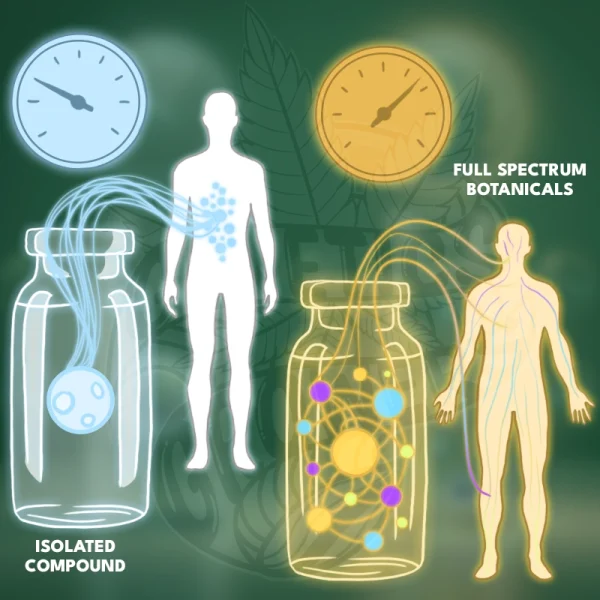
One of the most relevant applications of the entourage effect is in plant-based therapies.
Full-spectrum products, which retain a wide range of plant compounds, are often preferred over isolates. They tend to enhance effectiveness, allow for lower dosages, and may reduce the likelihood of unwanted side effects.
For example, studies suggest that combining CBD with specific terpenes can significantly improve anti-inflammatory and analgesic responses compared to CBD alone.
This has important implications for the treatment of chronic pain, anxiety, and certain neurological conditions.
Challenges and Ongoing Scientific Discussion
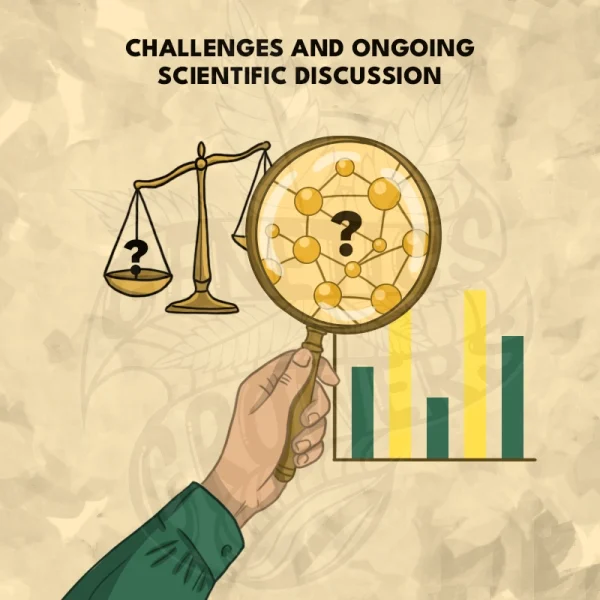
Despite its potential, the entourage effect remains a topic of ongoing scientific discussion.
Some researchers point out that results are not always consistent across studies. Others emphasize the complexity of plant chemistry, which makes standardization difficult and poses challenges for regulation.
These limitations do not dismiss the concept. Instead, they highlight the need for more rigorous and controlled research to better understand how these interactions work.
A Broader Perspective: The Entourage Effect in Other Species
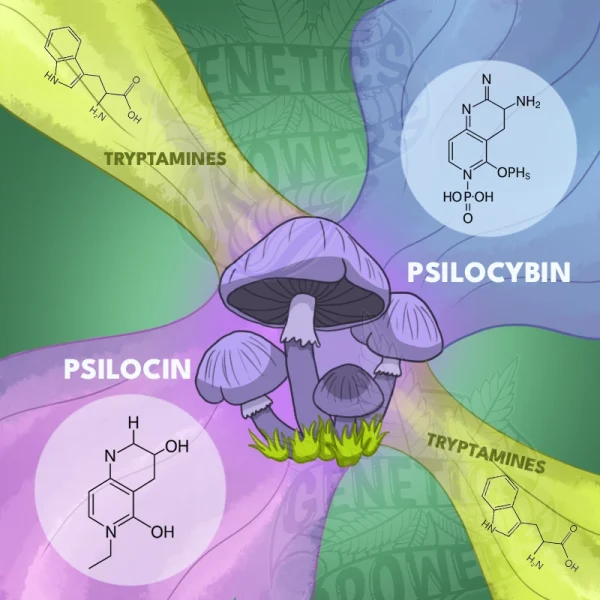
The entourage effect is not limited to traditional medicinal plants.
Psilocybin Mushrooms: A Complex Interaction:
Certain fungi contain multiple compounds, such as psilocybin, psilocin, and other tryptamines, which interact to shape their psychoactive and potential therapeutic effects.
Emerging research suggests that these compounds may work together to influence mood, perception, and cognitive processes.
This reinforces a broader idea: nature rarely operates through isolated elements—it functions through interconnected systems.
Implications for Human and Animal Health
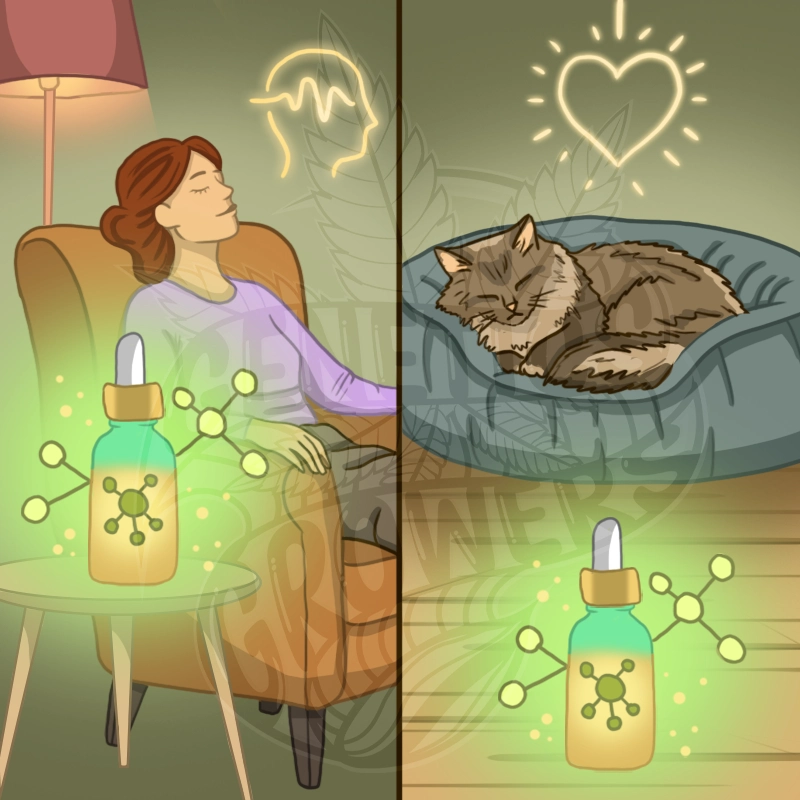
The entourage effect holds significant potential for improving health outcomes in both humans and animals.
For Humans:
Full-spectrum plant-based products may help improve pain management, support emotional balance, and contribute to mental health treatments. Interest is increasing in how these interactions may reshape the way chronic conditions are managed.
For Animals: (Applications in Veterinary Care)
These principles extend naturally to veterinary practice.
Products that combine cannabinoids and terpenes are being explored to help reduce anxiety in pets, manage chronic pain, and enhance overall well-being.
While the results are promising, dosage and formulation still require further standardization to ensure safety and effectiveness.
Real-World Insights:
Case studies and anecdotal reports consistently point in a similar direction: switching from isolated compounds to full-spectrum products can produce more effective outcomes at lower doses.
Although further scientific validation is needed, these observations continue to generate interest in both research and applied settings.
Unlocking the True Potential of Plant Synergy
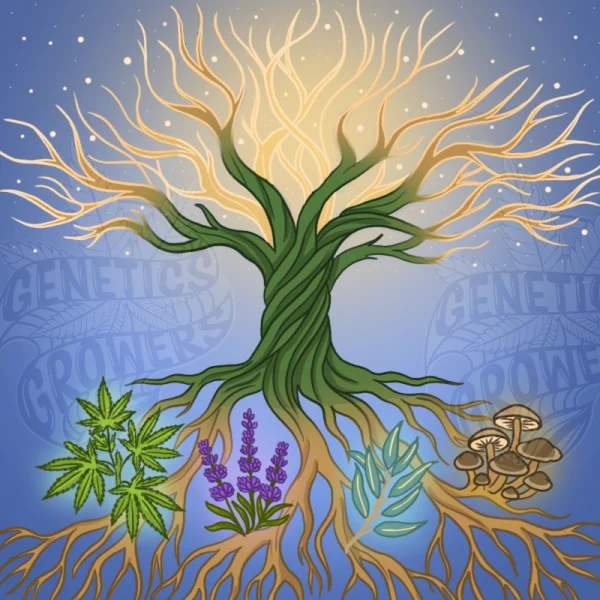
The entourage effect offers a valuable perspective on how plant compounds function together.
Across species—from cannabis to lavender to fungi—the same principle appears consistently: compounds tend to be more effective when they work in combination rather than alone
Key Takeaways
- Plant synergy can enhance therapeutic potential
- Full-spectrum approaches may offer better results than isolated compounds
- Understanding complete chemical profiles is essential for growers
- Further research is necessary to validate and standardize these interactions
Keep Exploring with: Genetics Growers
As research continues to reveal how plants function as integrated systems, new opportunities emerge for cultivation, medicine, and innovation.
If you are interested in plant science and want to deepen your understanding:
- Visit Genetics Growers to explore more insights on plant interactions and cultivation strategies
- Join the conversation by sharing your thoughts and experiences in the comments
- Become part of a growing community of enthusiasts, growers, and researchers
The more we explore plant synergy, the closer we get to unlocking its full potential in both science and practice!!
Cannabinoids, terpenes, and flavonoids work synergistically rather than in isolation, creating an interconnected effect that is particularly well-documented in cannabis!!
Exactly! Whole-plant synergy makes all the difference. The entourage effect is easily one of the most exciting areas of plant science. 🌿🌿🌿