

The Legacy of Raphael Mechoulam and Cannabis Science

In the history of cannabis research, few scientists have influenced the field as profoundly as Raphael Mechoulam. Widely recognized as the “father of cannabis research,” Mechoulam dedicated his career to unraveling the complex chemistry of the cannabis plant and understanding how its natural compounds interact with biological systems.
At a time when cannabis remained largely misunderstood from a scientific perspective, his pioneering work transformed the field. Rather than studying cannabis solely as a whole plant, Mechoulam focused on identifying its individual compounds and investigating how these plant-derived molecules influence biological processes within the human body.
The Discoveries That Built Modern Cannabis Research
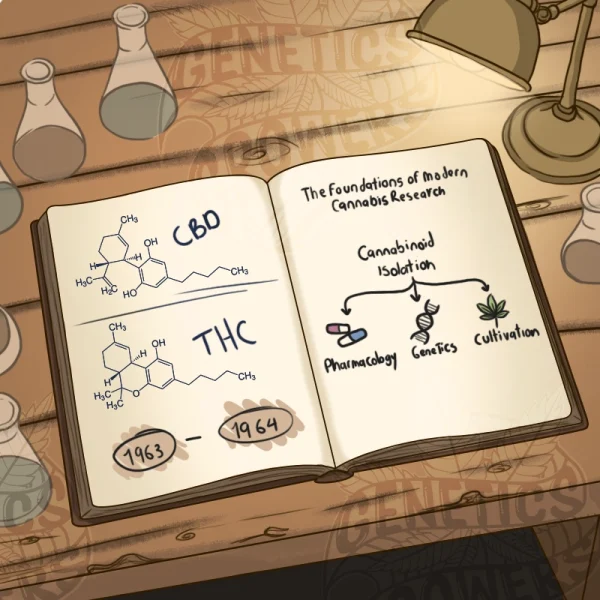
During the early 1960s, Mechoulam and his research team achieved one of the most significant breakthroughs in cannabis science by isolating and identifying the structures of Cannabidiol (CBD) and Delta-9-Tetrahydrocannabinol (THC). Their landmark publications in 1963 and 1964 established the scientific foundation for modern cannabinoid research, allowing scientists to investigate the biological properties, pharmacology, and therapeutic potential of these compounds (Mechoulam & Shvo, 1963; Gaoni & Mechoulam, 1964).
These discoveries marked the beginning of a new era in cannabis science, opening the door to decades of research exploring cannabinoid chemistry, plant genetics, pharmacology, and potential medical applications.
Before these discoveries, researchers had only a limited understanding of which compounds were responsible for the effects of cannabis. By isolating individual cannabinoids, Mechoulam’s work enabled scientists to study each compound independently, transforming cannabis research from descriptive observations into evidence-based molecular science.
For growers, cultivators, breeders, and plant enthusiasts, these discoveries represent far more than historical milestones. They demonstrate how plant chemistry and genetics shape the unique cannabinoid profiles of different cultivars, reinforcing the importance of scientific knowledge in modern cultivation.
Has a specific cultivar’s cannabinoid profile ever surprised you? Tell us about it in the comments below — we love hearing from growers and breeders.
The Isolation of THC and CBD: A Turning Point in Science
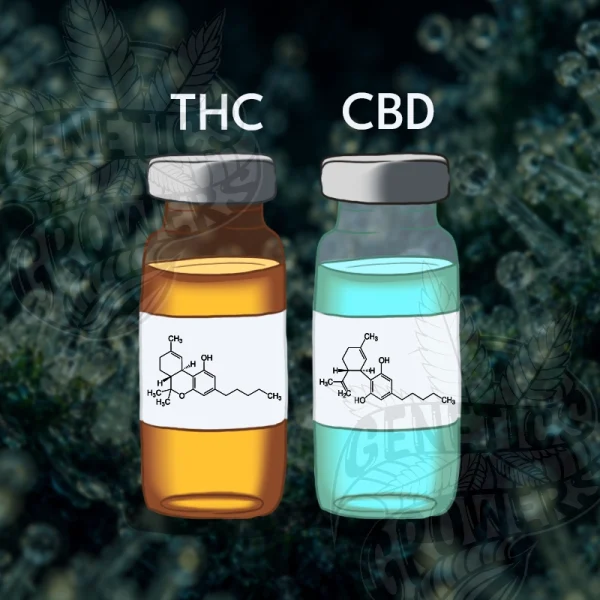
The identification of THC and CBD during the 1960s represented a turning point in cannabis research. By determining the chemical structures of these cannabinoids, scientists gained the ability to investigate how each compound interacts with biological systems and contributes to the overall effects of the cannabis plant (Mechoulam & Shvo, 1963; Gaoni & Mechoulam, 1964).
Over time, THC became recognized for its psychoactive properties, while CBD attracted scientific interest because of its distinct biological interactions and its potential therapeutic applications (Pertwee, 2008).
Mechoulam’s pioneering research also demonstrated that cannabis is far more chemically complex than previously believed. Rather than containing a single active ingredient, the plant produces a diverse range of cannabinoids that interact in different ways. This understanding continues to influence how scientists, breeders, and growers evaluate cannabinoid profiles, plant genetics, and the unique characteristics expressed by different cannabis varieties.
The Endocannabinoid System: Connecting Cannabis and Human Biology
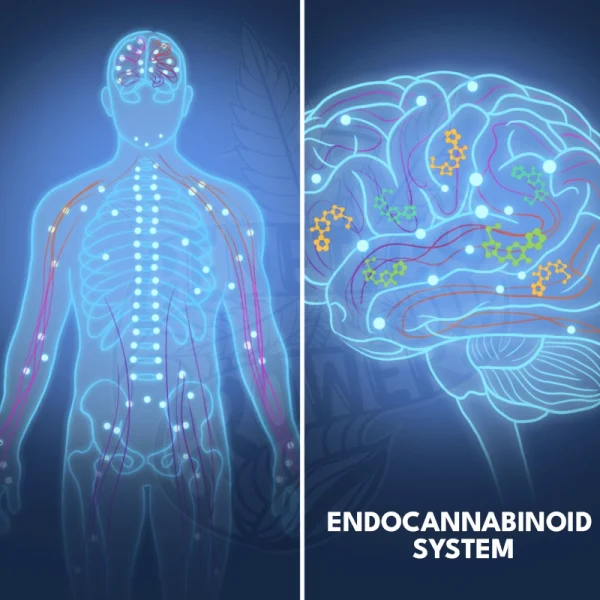
One of the most significant breakthroughs resulting from cannabinoid research was the discovery and characterization of the Endocannabinoid System (ECS), a complex biological network that plays a fundamental role in maintaining physiological balance throughout the body.
At the heart of this discovery was the identification of the CB1 receptor in 1988, a milestone that transformed scientists’ understanding of how cannabinoids interact with the nervous system (Devane et al., 1988). This breakthrough was followed by the discovery of the body’s own cannabinoid-like molecules, including Anandamide in 1992 and 2-Arachidonoylglycerol (2-AG) in 1995, revealing that the human body naturally produces compounds capable of interacting with cannabinoid receptors (Devane et al., 1992; Mechoulam et al., 1995).
The ECS consists of cannabinoid receptors, endogenous cannabinoids, and specialized enzymes responsible for their synthesis and degradation. Together, these components help regulate a wide variety of physiological processes, including mood, pain perception, appetite, memory, sleep, immune response, and overall homeostasis.
The discovery of the ECS fundamentally changed cannabis research by demonstrating that cannabinoids interact with highly specialized biological pathways rather than producing random effects within the body. This understanding continues to drive research in medicine, neuroscience, pharmacology, and plant science, expanding our knowledge of how cannabinoids influence human health.
Understanding CB1 and CB2 Receptors
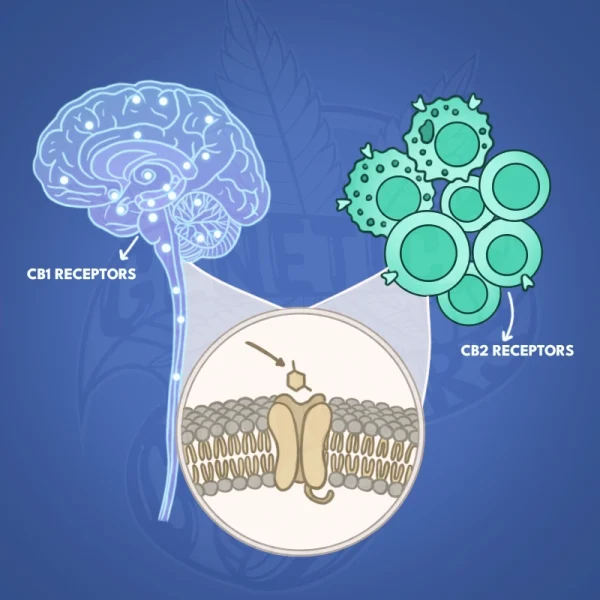
Among the components of the endocannabinoid system, CB1 and CB2 receptors are the most extensively studied because of their essential roles in cannabinoid signaling.
CB1 receptors are predominantly located in the brain and central nervous system, where they are closely associated with the psychoactive effects of THC and the regulation of numerous neurological functions, including memory, motor control, appetite, and pain perception (Devane et al., 1988).
In contrast, CB2 receptors are primarily found in immune cells and peripheral tissues, where they play an important role in regulating immune responses, inflammation, and pain modulation (Munro et al., 1993). Although initially believed to exist almost exclusively outside the central nervous system, ongoing research continues to expand our understanding of their broader physiological functions.
The identification of these receptors represented another major milestone in cannabis science. It not only helped explain why cannabinoids produce different biological effects, but also opened new opportunities for investigating cannabinoid-based therapies targeting specific physiological pathways while minimizing unwanted side effects.
For growers, breeders, and cannabis enthusiasts, understanding CB1 and CB2 receptors reinforces the importance of plant genetics and cannabinoid composition. Different cultivars produce distinct cannabinoid profiles, which may influence how their compounds interact with the endocannabinoid system and contribute to their unique characteristics.
Want more deep dives into cannabis science? Follow Genetics Growers and explore our research-based guides at geneticsgrowers.net.
Cannabinoid Research: Science, Innovation, and Future Discoveries
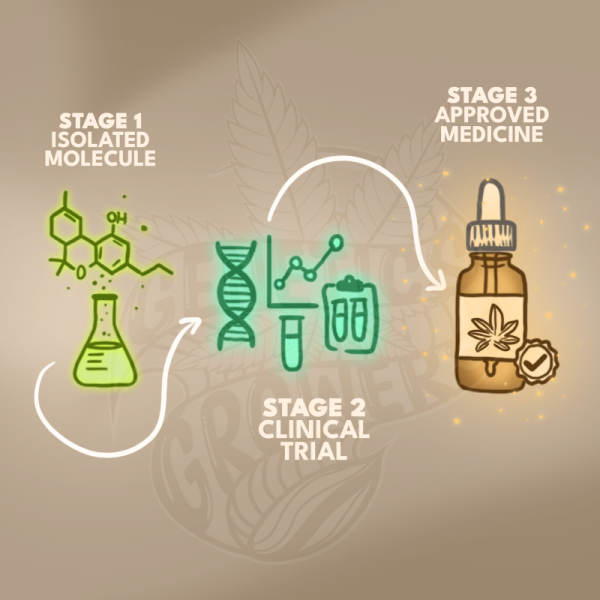
Raphael Mechoulam’s discoveries laid the foundation for decades of scientific research exploring the therapeutic potential of cannabinoids. By identifying and characterizing key cannabis compounds, his work opened new avenues for investigating how cannabinoids interact with the human body and how they may contribute to future medical innovations.
One of the most recognized examples is Epidiolex, a purified CBD-based medication approved for treating severe forms of childhood epilepsy, including Dravet syndrome and Lennox-Gastaut syndrome. Clinical trials have demonstrated that CBD can significantly reduce seizure frequency in patients with treatment-resistant epilepsy, representing one of the strongest examples of cannabinoid-based medicine supported by high-quality clinical evidence (Devinsky et al., 2017; Devinsky et al., 2018).
Another important milestone is Sativex (nabiximols), a medication containing a standardized combination of THC and CBD. It has been approved in several countries for managing spasticity associated with multiple sclerosis and has also demonstrated benefits in pain management for some patients. Clinical studies have reported improvements in symptom control and quality of life, highlighting the therapeutic potential of combining multiple cannabinoids in a single formulation (Collin et al., 2007; Novotna et al., 2011).
Beyond these approved therapies, cannabinoids continue to be investigated for their potential role in areas such as chronic pain management, chemotherapy-induced nausea and vomiting, neurodegenerative disorders, inflammatory diseases, and supportive cancer care. While many findings are encouraging, ongoing research remains essential to better understand their safety, efficacy, appropriate dosing, and long-term effects across different medical conditions.
As cannabis science continues to evolve, maintaining a balanced perspective is essential. Scientific progress depends on rigorous evidence, responsible interpretation of research findings, and continued investigation into both the opportunities and limitations of cannabinoid-based therapies.
Health Considerations and Responsible Understanding

Like many biologically active compounds, cannabinoids can affect individuals differently depending on factors such as dosage, frequency of use, age, genetic background, and overall health status. Understanding both the potential benefits and the possible risks is fundamental to promoting informed and responsible use.
One area that continues to receive significant scientific attention is Cannabis Use Disorder (CUD). Current evidence suggests that approximately 9% of cannabis users may develop problematic patterns of use characterized by dependence and withdrawal symptoms, with higher risks observed among individuals who begin using cannabis during adolescence or who consume it frequently (Volkow et al., 2014).
Researchers have also explored the potential impact of cannabis exposure during adolescence, a critical period of brain development. Evidence indicates that early and frequent cannabis use may be associated with long-term cognitive changes and an increased risk of developing psychiatric disorders, including psychosis, in individuals with underlying genetic or environmental vulnerabilities (Volkow et al., 2014).
These findings reinforce the importance of approaching cannabis through an evidence-based perspective that recognizes both its potential applications and its limitations. Responsible education and continued scientific research remain essential for understanding how cannabinoids can be used safely and effectively.
Curious how plant genetics shape the cannabinoid profile of the strains you grow? Learn more at Genetics Growers.
Reflecting on Raphael Mechoulam's Legacy
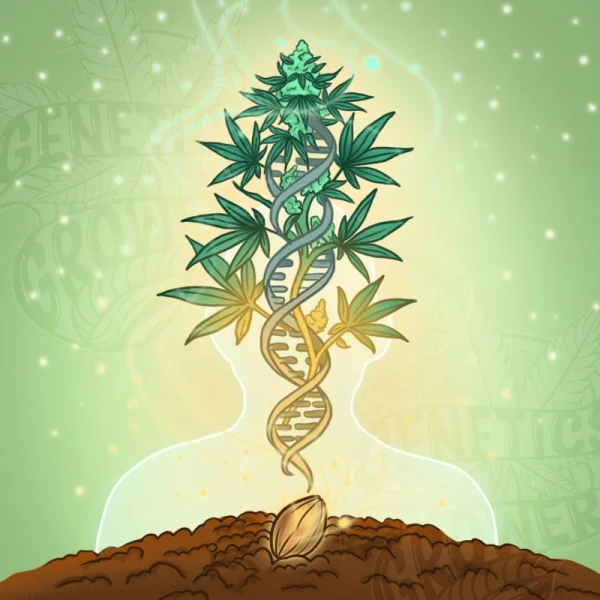
Raphael Mechoulam’s contributions fundamentally transformed the scientific understanding of cannabis. His pioneering work on THC, CBD, and the biological mechanisms through which cannabinoids interact with the human body established the foundation for modern cannabis research and inspired generations of scientists to continue exploring the plant’s remarkable complexity.
His legacy reminds us that cannabis is far more than a collection of isolated compounds. It is a sophisticated biological system shaped by genetics, chemistry, environmental conditions, and cultivation practices. Understanding these relationships continues to drive innovation in medicine, agriculture, and plant science.
For growers, breeders, and cultivators, Mechoulam’s work offers an important perspective: successful cultivation is not only about producing healthy plants but also about understanding the science that shapes each cultivar’s unique cannabinoid profile and biological characteristics.
Key Takeaways
- Raphael Mechoulam’s discoveries of THC and CBD transformed modern cannabis science and laid the foundation for decades of cannabinoid research.
- The discovery of the endocannabinoid system revolutionized our understanding of how cannabinoids interact with the human body.
- Scientific evidence has supported the development of cannabinoid-based medicines such as Epidiolex and Sativex while continuing to explore new therapeutic applications.
- Responsible cannabis science requires balancing promising discoveries with ongoing research into safety, efficacy, and long-term effects.
- Understanding plant genetics and cannabinoid chemistry allows growers to better appreciate the complexity behind every cannabis cultivar.
Continue Exploring the Science Behind Plants
At Genetics Growers, we believe that understanding plants means exploring the connection between science, genetics, and cultivation. Every discovery brings us closer to appreciating the extraordinary complexity of cannabis and the biological processes that shape each unique cultivar.
Whether you are a grower, breeder, researcher, or simply passionate about plant science, staying informed is essential in a field that continues to evolve through scientific discovery.
Join our community at Genetics Growers to discover more about cannabis science, plant genetics, and agricultural innovation. Share your thoughts and questions in the comments, and continue exploring the fascinating world behind the plants we grow.