

Welcome to the fascinating world of plant genetics, where nature’s hidden codes reveal powerful opportunities to increase crop yields and enhance overall quality. At Genetics Growers, we believe that understanding the genetic blueprint of plants is not just an academic exercise — it’s a practical, essential tool for growers and agricultural enthusiasts who want to cultivate smarter, stronger, and more resilient crops.
Have you ever wondered why certain plants flourish under stressful conditions while others struggle? The answer lies in the sophisticated interplay of genes that shape every plant’s traits, behavior, and ability to adapt. Today, we dive into expert-backed insights from the rapidly evolving field of plant genetics — a field with the potential to reshape modern agriculture.
From ancient selective breeding methods to cutting-edge molecular techniques, plant genetics has advanced dramatically. These breakthroughs allow us to unlock traits that help plants withstand environmental stressors, resist pests, and even improve nutritional value. Imagine cultivating crops that are not only more resilient but also tailored to meet the changing demands of our world.
Join us as we explore the latest research and real-world applications of plant genetics. Discover how experts are using genetic insights to boost crop yield and quality. Whether you’re a seasoned grower or simply curious about what’s possible, this journey will enrich your understanding and inspire new cultivation strategies.
Ready to dive deeper? Let’s uncover the remarkable potential of plant genetics and how it can transform your growing practices
Understanding the Basics of Plant Genetics
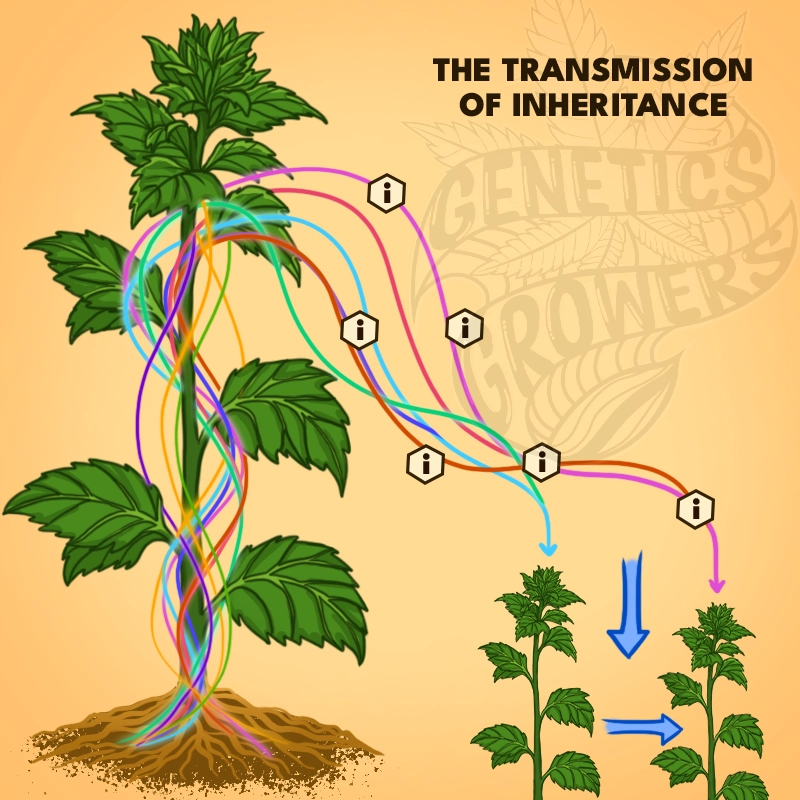
Plant genetics is a captivating field that explores the mechanisms of heredity and genetic variation in plants. At its core, plant genetics seeks to understand how traits are passed from one generation to the next and how genetic diversity arises within plant populations. This knowledge is crucial for enhancing crop yields and developing plants that can withstand environmental challenges.
Heredity is the process by which genetic information is transmitted from parent plants to their offspring. This genetic information is encoded in DNA, the molecule that carries the instructions for building and maintaining living organisms. DNA is organized into units called genes, which determine specific traits, such as flower color or drought resistance. By studying these genes, scientists can uncover the genetic basis of important plant characteristics.
Genetic Variation and Its Importance
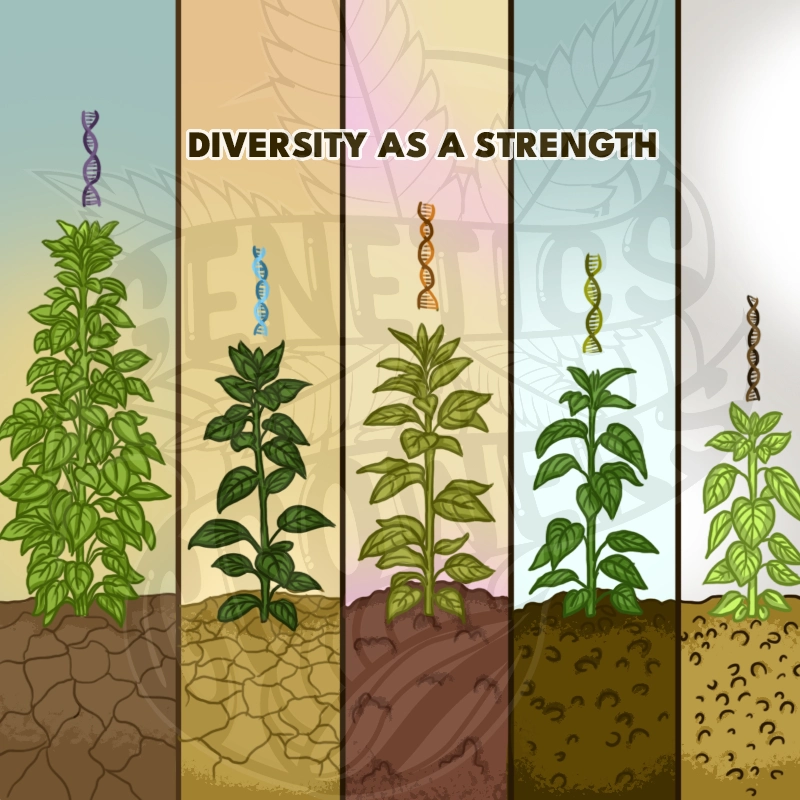
Genetic variation — the differences in DNA sequences among individuals — is the raw material for adaptation and evolution. It arises through mutations, genetic recombination, and other natural processes.
This variation is crucial for developing crops that can withstand diseases, pests, heat, drought, or poor soils. For example, research on rice has identified genetic variants that provide resistance to certain pathogens, enabling the creation of more resilient rice varieties.
The Role of DNA in Plant Genetics
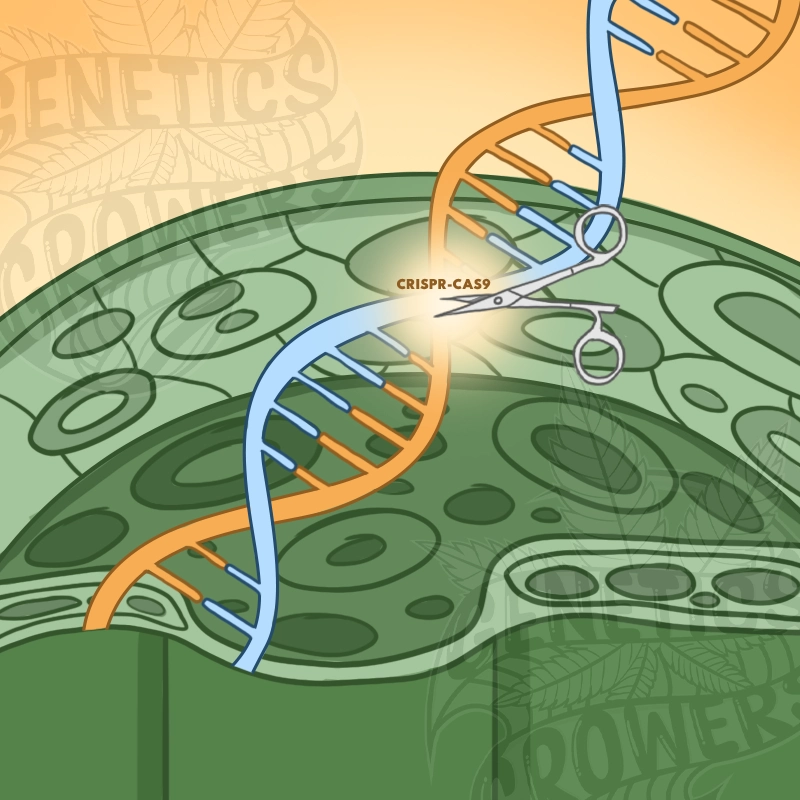
DNA functions as the plant’s master blueprint. Each cell contains a complete set of chromosomes housing thousands of genes that work together to define every trait.
Advances in genome sequencing have revolutionized plant research, enabling scientists to analyze genetic structures with extraordinary detail. These insights allow researchers to identify genes associated with desirable traits — such as high yield or improved stress tolerance.
With this information, targeted breeding programs become more effective, and modern tools like CRISPR-Cas9 allow scientists to edit plant genomes with exceptional precision, often without introducing foreign DNA.
Applications and Future Directions
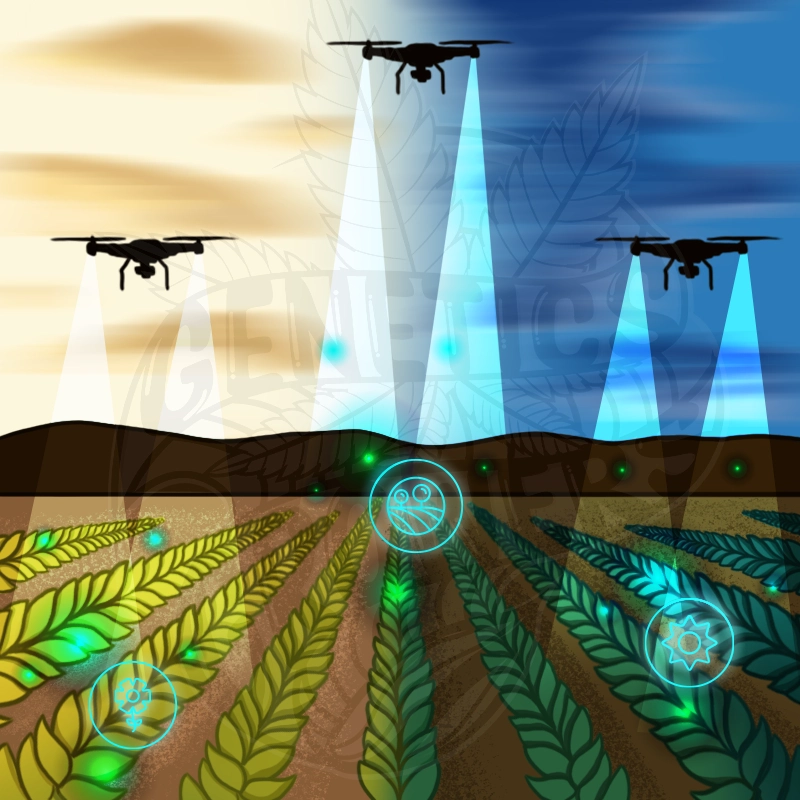
The study of plant genetics has wide-ranging applications in agriculture and beyond. By leveraging genetic insights, scientists can create crops that thrive under extreme temperatures, limited water availability, or rapidly changing environmental conditions — crucial advantages in the era of climate challenges.
Looking ahead, the field continues to expand with new techniques and technologies emerging each year. As our understanding deepens, we can expect innovative solutions that improve crop yields, strengthen resilience, and support global food security.
For more information on plant genetics and its applications, explore our resources at Genetics Growers. Stay informed and empowered as you delve into the fascinating world of plant genetics.
Applications of Plant Genetics in Agriculture
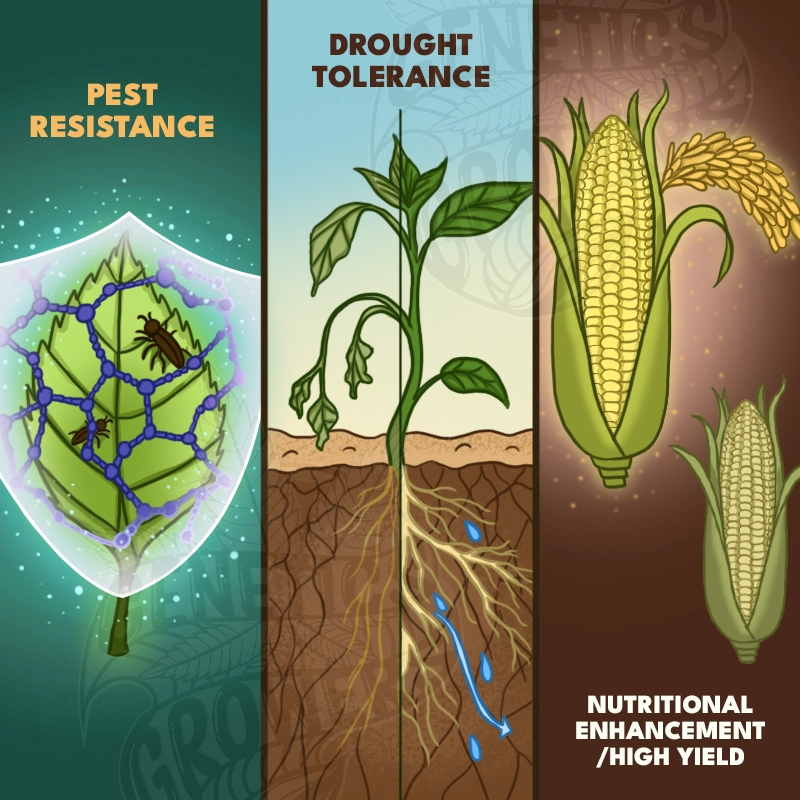
Plant genetics has reshaped agriculture by providing tools and techniques that improve productivity and resilience.
Breeding Programs
Breeding programs aim to combine favorable traits from different varieties to create improved cultivars. Traditional breeding remains valuable, but today’s molecular tools — such as marker-assisted selection — allow breeders to identify trait-related genes more quickly and accurately.
Genetic Engineering Breakthroughs
Genetic engineering has opened new possibilities. For instance, crops with Bt genes are resistant to certain pests, reducing the need for chemical pesticides and benefiting both growers and the environment.
CRISPR-Cas9 pushes this progress further by enabling precise genome edits without the introduction of external DNA, addressing many concerns associated with traditional GMOs.
Case Studies and Yield Improvements
Recent studies highlight the transformative impact of plant genetics:
Genetic modifications in rice have been shown to boost yields by up to 27% in drought-stressed environments, a breakthrough reported by the International Rice Research Institute (IRRI) and published in the Journal of Experimental Botany [IRRI, 2025].
Soybean varieties developed using targeted genetic insights, such as the MACS 1407 variety released in India, have achieved 14-19% higher yields in pest-prone regions due to a specific genetic resistance package against major insect pests (Agharkar Research Institute, 2021).
These results demonstrate how genetic knowledge directly enhances agricultural performance and sustainability.
For more information on the latest advancements in plant genetics and their applications, visit Genetics Growers and explore our comprehensive resources.
Future Trends in Plant Genetics
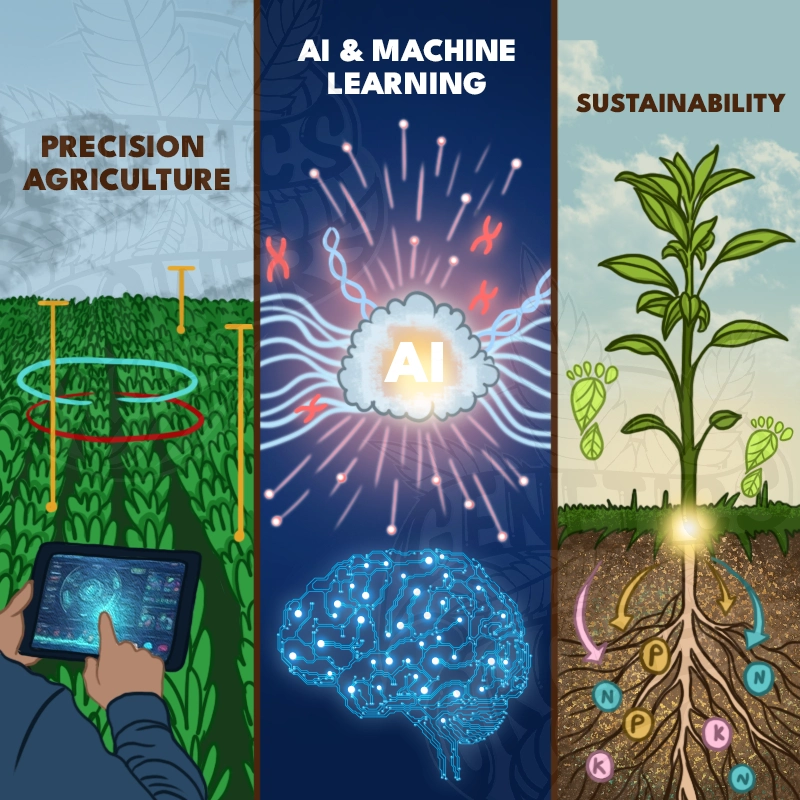
As agriculture evolves, several key trends promise to boost productivity and resilience even further.
Precision Agriculture and Genetic Optimization
Precision agriculture uses GPS, IoT technologies, sensors, and data analytics to optimize field management. When combined with genetic information, growers can tailor cultivation practices to match the specific needs of individual crops. The integration of drought-tolerance genetic markers with advanced water-monitoring tools has been shown to optimize resource use. For example, the combined application of genetically improved varieties and precision irrigation in field studies has resulted in yield increases of up to 20% with significantly more efficient water management (Agricultural Ecology & Environment, 2025).
A study published in Nature showed that integrating drought-tolerance genetic markers with water-monitoring tools significantly reduced water use while maintaining high yields.
Sustainable Practices and Environmental Impact
Genetics also supports sustainability. Plants with improved resistance to diseases or nutrient-deficient soils require fewer inputs, reducing the environmental footprint of farming. For example, nitrogen-efficient crops can lessen dependence on synthetic fertilizers.
Innovations and Future Possibilities
Artificial intelligence and machine learning will play increasingly important roles in analyzing large-scale genetic data. This will make breeding programs faster, more accurate, and more effective — a key advantage as we confront climate and food-supply challenges.
For more insights into the future of plant genetics and its impact on agriculture, explore our resources at Genetics Growers. Stay informed about the latest trends and innovations that are shaping the future of farming.
Unlocking the Potential of Plant Genetics
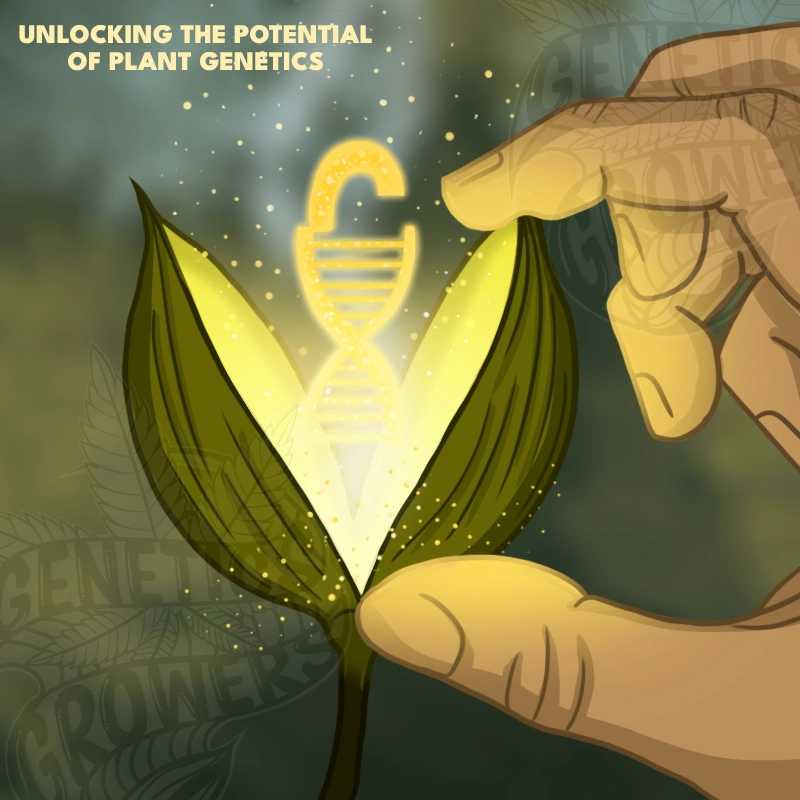
Plant genetics is transforming agriculture from the ground up. From decoding the genes that shape essential traits to applying tools like CRISPR-Cas9, genetic advances are leading to stronger, more resilient, and more productive crops.
The integration of genetic knowledge with precision agriculture paves the way for smarter resource use and better crop management. This combined approach not only addresses today’s challenges but also prepares us for tomorrow’s shifting environmental conditions.
Key Takeaways
- Genetic variation is the foundation for developing resilient, adaptable crops.
- Technological advances such as CRISPR are reshaping crop improvement.
- Sustainability benefits greatly from genetically informed practices.
- Future innovations will play a critical role in global food security.
We invite you to explore more about these exciting developments at Genetics Growers. Dive into our extensive resources and join a community passionate about advancing agricultural practices through the power of plant genetics. Whether you’re a seasoned expert or a curious learner, there’s always something new to discover.