

How to Manage Mother Plants for the Perfect Clone Cycle
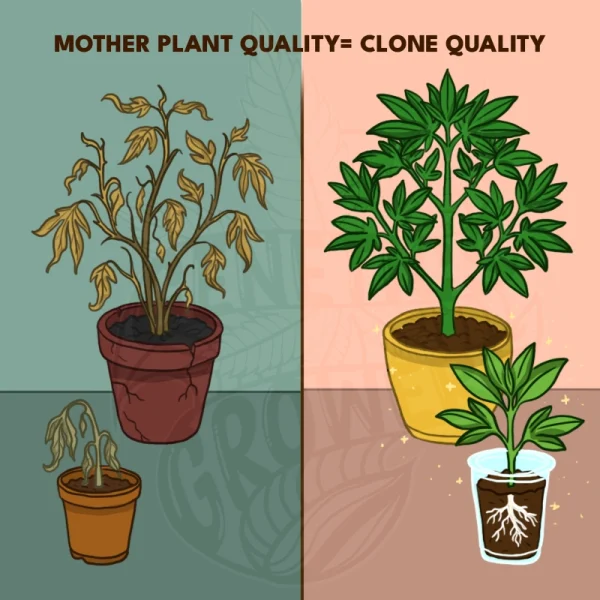
Ever taken a cutting that looked perfect, only to watch it wilt and die a week later? Nine times out of ten, the problem didn’t start with the cutting — it started with the mother plant.
Mother plants are the foundation of the clone reproduction cycle. Keep one healthy, well-trained mother, and you can pull dozens of genetically identical cuttings from it for months — no guessing games with seeds, no surprises in your grow. Get the mother wrong, though, and every clone you take inherits the problem.
This guide walks you through the three things that actually matter: choosing the right mother plant, keeping her healthy and productive, and taking cuttings that root reliably.
Have you run a mother plant through more than one clone cycle? Tell us how long she lasted in the comments below!
Selecting the Ideal Mother Plant for Cloning Success
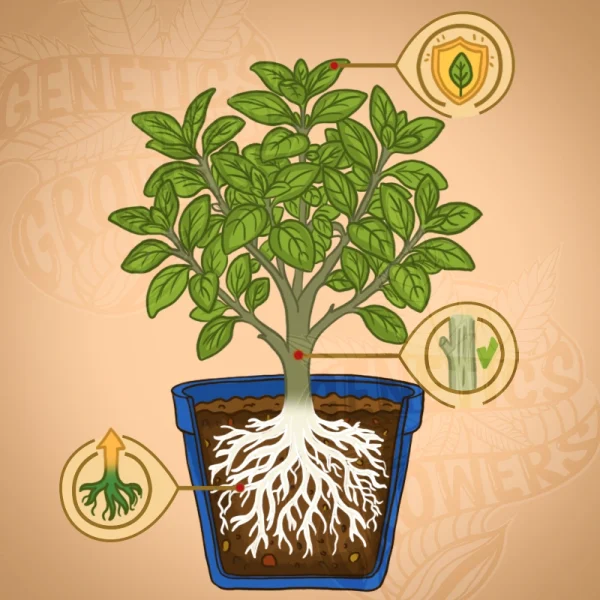
Every clone is a genetic copy of its mother — so whatever traits she has, good or bad, get passed on. This is the one decision in the whole cycle you can’t fix later.
Genetic Traits and Plant Health
Look for strong roots, a sturdy stem, and visible resistance to pests and fungi. A mother that shrugs off stress will produce clones that do the same.
Health matters as much as genetics. Inspect regularly for early signs of disease or nutrient stress, and confirm the plant is getting consistent light and feeding before you commit to her as your mother.
Environmental Conditions
Mother plants do best in stable, controlled conditions:
- Temperature range: Keep the growing area between 70 and 80°F (21–27°C).
- Relative humidity: Maintain humidity levels at approximately 40–60%.
- Light cycle: 18/6 to keep her firmly in the vegetative stage
A dedicated grow tent or a separate corner of your space makes it much easier to hold these conditions steady — and a mother under stress produces weaker cuttings, full stop. Temperature and humidity ranges reflect commonly recommended vegetative-stage conditions
Choosing a Mother Plant From Seed
If you’re picking a mother from scratch, starting with seeds beats starting with an existing clone. Seeds give you a clean genetic slate — no accumulated stress or genetic drift — and let you grow out a small batch of seedlings and pick the strongest phenotype as your mother, rather than inheriting whatever weaknesses were already baked into someone else’s cutting.
By choosing carefully at this stage, you set the ceiling for everything that follows. For more cultivation strategies, browse the rest of the guides at Genetics Growers.
“Want more in-depth guides like this one? Subscribe to our newsletter and never miss a new post.”
Maintaining Mother Plants for Optimal Clone Production
If you’re picking a mother from scratch, starting with seeds beats starting with an existing clone. Seeds give you a clean genetic slate — no accumulated stress or genetic drift — and let you grow out a small batch of seedlings and pick the strongest phenotype as your mother, rather than inheriting whatever weaknesses were already baked into someone else’s cutting.
By choosing carefully at this stage, you set the ceiling for everything that follows. For more cultivation strategies, browse the rest of the guides at Genetics Growers.
“Want more in-depth guides like this one? Subscribe to our newsletter and never miss a new post.”
Pruning Techniques for Mother Plants
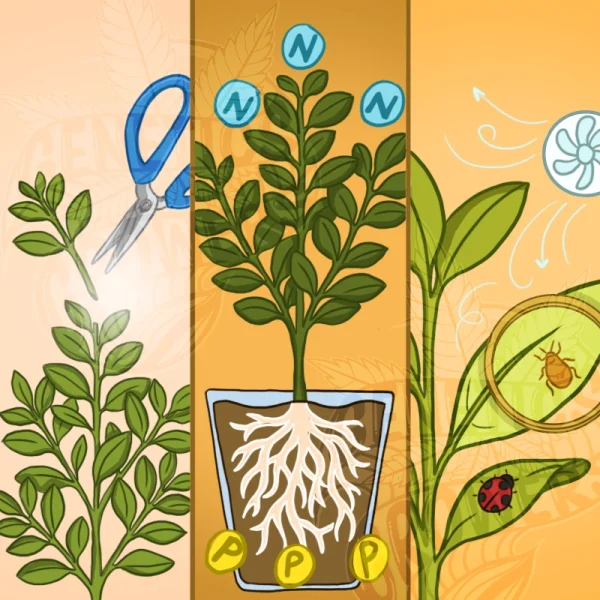
A mother plant isn’t a “set it and forget it” project. Regular pruning and consistent feeding are what keep her producing strong, viable cuttings cycle after cycle.
Nutrient Strategies for Healthy Mother Plant Growth
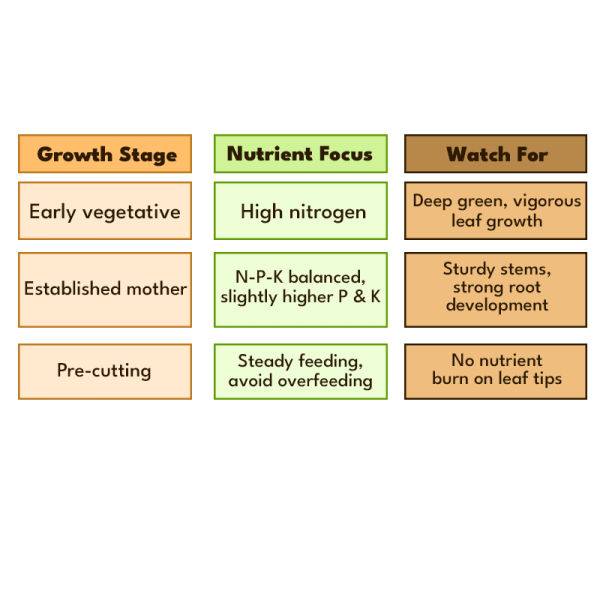
During the vegetative stage, mother plants need a nutrient mix higher in nitrogen to support leaf and stem development. As she matures, gradually shift toward more phosphorus and potassium to support strong root systems — this is what you’ll be relying on when it’s time to root her cuttings.
Preventing Pests and Plant Diseases
Inspect your mother plant weekly, paying close attention to the undersides of leaves — that’s where most pests show up first. Neem oil and insecticidal soap handle common offenders like aphids and spider mites without introducing anything harsh into your grow.
Good airflow and ventilation do a lot of the work for you: a clean, well-ventilated space discourages mold and mildew before they start, which matters even more with a mother you’re relying on long-term.
Taking Cuttings: Mastering the Clone Reproduction Cycle
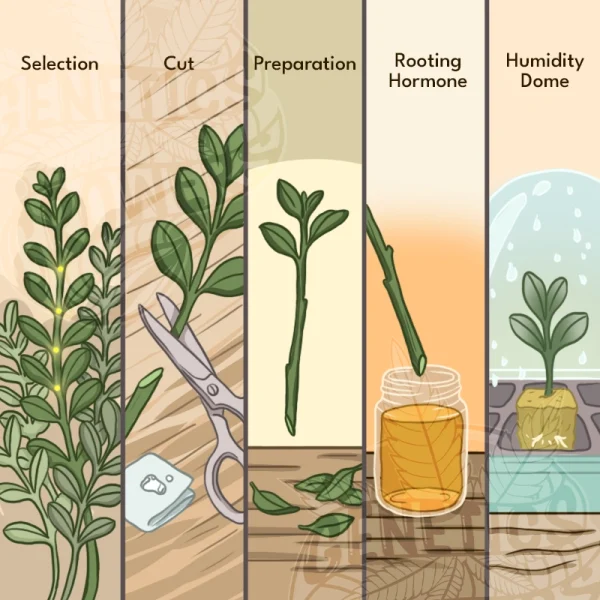
This is the step that turns one healthy mother into an entire crop of genetically identical plants — but successful results depend on doing it correctly.
When and How to Take Cuttings
Take cuttings while the mother is actively growing in the vegetative stage; that’s when she has the energy she needs to root quickly. Always work with sterile tools — a sharp pair of scissors or a razor blade, wiped down with alcohol before and after each use — to avoid transferring disease from cut to cut.
The Cutting Process, Step by Step
- Choose a healthy branch with at least 3–5 nodes.
- Cut at a 45-degree angle to maximize surface area for rooting.
- Strip the lower leaves, leaving just a few at the top to limit water loss through transpiration.
- Dip the cut end in a rooting hormone (gel or powder) to kick-start root development.
Setting Up the Right Conditions for Root Development
Place your cuttings in a growing medium — soil, rockwool, or coco coir all work well — kept moist but never waterlogged. A humidity dome or misting system, combined with indirect light, gives cuttings the warm, humid environment they need without added stress.
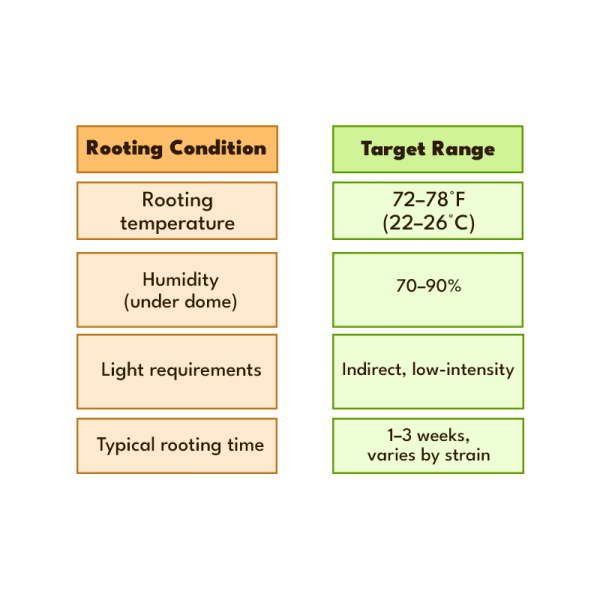
For more detailed guides and resources, explore our content at Genetics Growers.
“Struggling with a cutting that won’t root? Drop your setup details in the comments — our Genetics Growers community is here to help you identify and resolve any issues with your setup.”
Achieving Cloning Success with Mother Plants
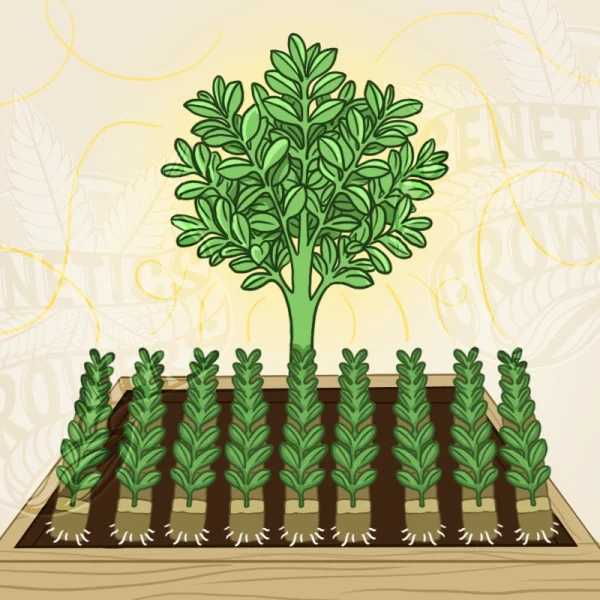
The clone reproduction cycle rewards patience at the front end. A carefully chosen, well-maintained mother plant does most of the work for you — every cutting she gives you already carries the traits that made her worth keeping.
Quick recap:
- Select your mother plant for strong genetics — roots, stem, pest resistance — and start from seed when possible.
- Maintain her consistently with regular pruning and a nutrient schedule matched to her growth stage.
- Take cuttings deliberately — sterile tools, the right node count, and a stable rooting environment.
Ready to apply these techniques? Start with your next healthy plant, and keep the community posted on how your clones turn out. Explore more grower guides at Genetics Growers.