

How Plants Tell Time and Why It Matters for Cannabis
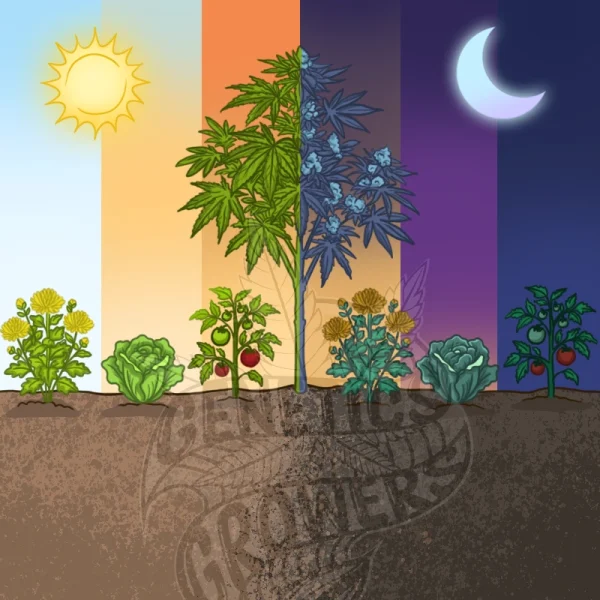
Have you ever wondered why some plants bloom at a specific time of the year while others seem unaffected by seasonal changes? Although plants lack a calendar or a biological clock like animals, they possess an extraordinary ability to perceive and measure the length of day and night. This remarkable adaptation, known as photoperiodism, enables them to synchronize growth, flowering, and reproduction with the most favorable environmental conditions.
For growers, understanding photoperiodism goes far beyond botanical curiosity. Light duration directly influences plant development, flowering, and productivity, making it one of the most important environmental factors in cultivation. In Cannabis sativa, photoperiod plays an especially critical role, as traditional photoperiod cultivars rely on specific light schedules to transition from vegetative growth to flowering, while autoflowering varieties follow an entirely different biological strategy.
In this guide, we’ll explore how photoperiodism works, the biological mechanisms behind it, and why understanding this natural process can help growers make more informed cultivation decisions. Whether you’re an experienced cultivator or simply interested in plant biology, learning how plants perceive light offers valuable insight into one of nature’s most sophisticated survival strategies (Gendron & Staiger, 2023).
What Is Photoperiodism and Why Does It Matter?
Photoperiodism is the biological process through which plants detect the duration of daylight and darkness and use this information to regulate essential developmental events such as flowering, dormancy, seed germination, and seasonal growth. Rather than simply reacting to changes in the environment, plants continuously monitor light cycles, allowing them to anticipate seasonal transitions and initiate key physiological processes at the most advantageous time (Gendron & Staiger, 2023).
Unlike animals, plants cannot relocate when environmental conditions become unfavorable. Instead, they have evolved sophisticated light-sensing mechanisms that allow them to adapt to seasonal changes with remarkable precision. This ability maximizes reproductive success and ensures that flowering occurs when environmental conditions are most suitable for pollination and seed production.
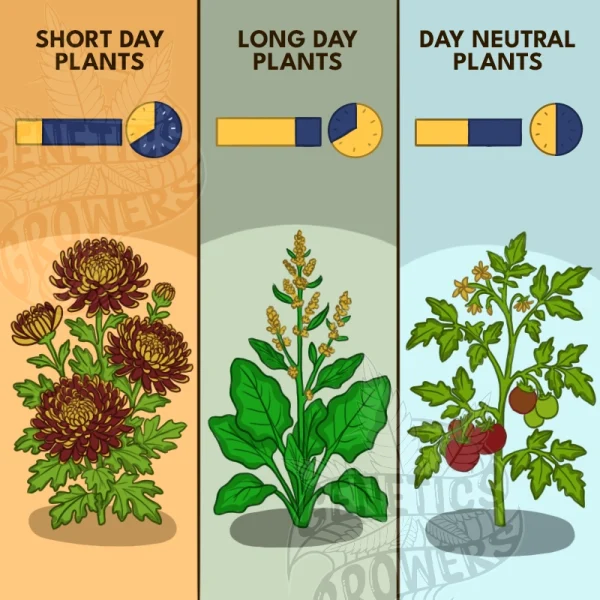
Understanding photoperiodism is valuable not only for botanists but also for growers and horticultural professionals. The amount of daylight a plant receives influences its growth, flowering behavior, and overall productivity. Based on their response to day length, plants are generally classified into three categories:
- Short-day plants, such as chrysanthemums and poinsettias, flower when nights become longer than a specific threshold.
- Long-day plants, including spinach and lettuce, initiate flowering as daylight hours increase.
- Day-neutral plants, such as tomatoes and cucumbers, flower independently of day length and instead respond to factors such as age or developmental stage.
These different strategies demonstrate how plants have evolved to synchronize their life cycles with seasonal environmental changes, allowing them to maximize survival under diverse growing conditions.
Have you noticed your own plants responding differently as the seasons change? Share your experience in the comments below — we’d love to hear how photoperiod has shaped your garden.
How Do Plants Measure Time Without a Clock?
Although plants lack eyes and nervous systems, they possess an intricate network of specialized photoreceptors capable of detecting minute variations in the surrounding light environment. These biological sensors allow plants to distinguish between day and night, measure seasonal variations, and coordinate developmental processes with remarkable precision.
The two primary photoreceptor families involved in photoperiodism are phytochromes and cryptochromes. Rather than working independently, these proteins interact closely with the plant’s internal circadian clock, continuously integrating light information to regulate growth, flowering, and other physiological responses.
Together, these biological systems allow plants to “read” light as a natural indicator of time, helping them coordinate growth and reproduction with changing seasons. By continuously interpreting environmental signals instead of merely reacting to them, plants can anticipate seasonal transitions and optimize their development for maximum reproductive success.
Phytochromes: The Plant's Seasonal Light Sensors
Among the most important photoreceptors involved in photoperiodism are phytochromes, proteins specialized in detecting red and far-red wavelengths of light. These light-sensitive molecules act as the plant’s primary seasonal sensors, helping determine whether days are becoming longer or shorter throughout the year.
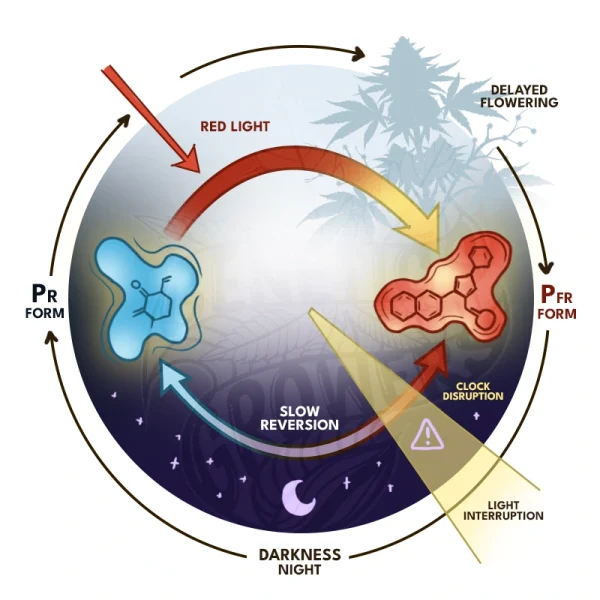
Phytochromes exist in two interchangeable forms, known as Pr and Pfr, which continuously convert from one state to another depending on the quality of incoming light. This molecular switching mechanism allows plants to monitor the length of the night rather than simply the amount of daylight, providing one of the key signals used to regulate flowering and other developmental processes (Surya et al., 2025).
Beyond flowering, phytochromes also influence seed germination, stem elongation, shade avoidance, and overall plant architecture. Their ability to integrate environmental light information makes them essential for coordinating plant growth with seasonal conditions.
For cannabis cultivators, understanding how phytochromes function helps explain why maintaining uninterrupted dark periods is critical during flowering. Even brief interruptions in darkness can alter the signals perceived by these photoreceptors, potentially delaying or disrupting normal flower development.
Cryptochromes: Detecting Blue Light and Supporting Plant Development
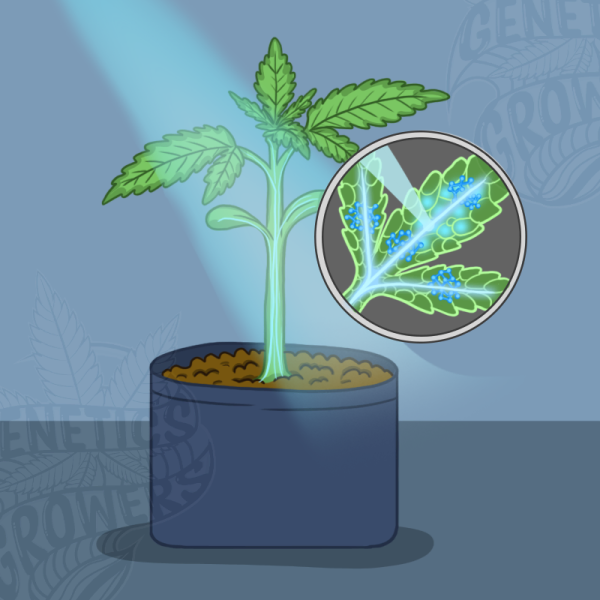
While phytochromes primarily detect red and far-red light, cryptochromes are specialized photoreceptors that respond to blue light. Together, these two groups of photoreceptors provide plants with a comprehensive system for monitoring their light environment and coordinating growth and development.
Cryptochromes play an essential role in regulating seedling development, leaf expansion, circadian rhythms, and photoperiodic flowering. By sensing blue light, they help plants adjust their physiology according to changing environmental conditions, ensuring that developmental processes occur at the appropriate time (Fantini et al., 2020).
Rather than acting independently, cryptochromes work alongside phytochromes to integrate multiple light signals. This coordinated response enables plants to accurately perceive seasonal changes and optimize their growth strategy throughout the year.
For cannabis growers, understanding the complementary roles of phytochromes and cryptochromes provides valuable insight into how different light spectra influence plant development. Although flowering is largely regulated by photoperiod, light quality also contributes to healthy vegetative growth and overall plant performance.
Want more light-science breakdowns like this one? Explore more research-based cultivation guides at Genetics Growers.
The Circadian Clock: The Internal Timekeeper Behind Photoperiodism
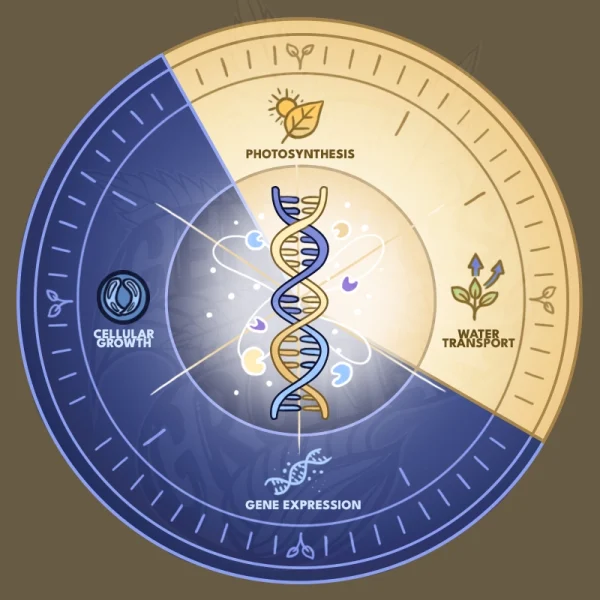
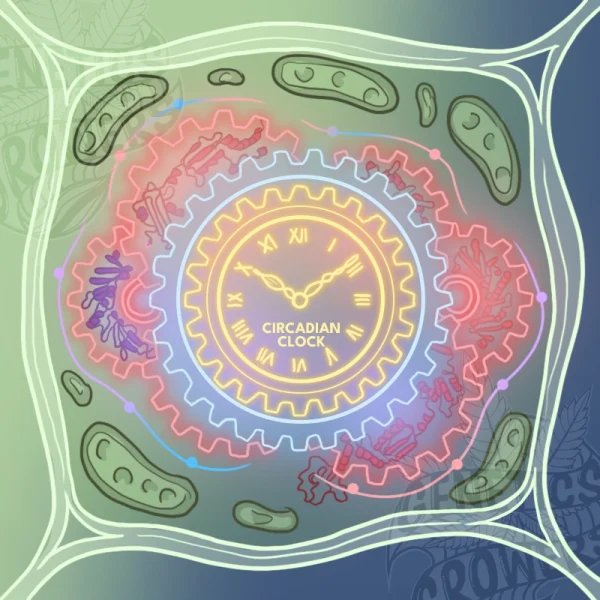
Light perception alone is not enough to regulate plant development. Plants also rely on an internal biological clock—known as the circadian clock—that synchronizes physiological processes with the approximately 24-hour cycle of day and night.
This internal timing system continuously interacts with phytochromes and cryptochromes, allowing plants to compare environmental light signals with internal biological rhythms. By integrating both sources of information, plants can accurately determine seasonal changes and regulate flowering, metabolism, hormone production, and growth with remarkable precision (Ni, 2005).
The circadian clock does more than simply respond to light; it enables plants to interpret when light is received. This distinction is essential because identical light conditions can trigger different physiological responses depending on the time of day.
Understanding the dynamic relationship between photoreceptors and the circadian clock has significantly advanced our knowledge of plant biology. Rather than relying on a single mechanism, photoperiodism emerges from a highly coordinated network of biological processes that continuously communicate to regulate plant development.
Why Does Photoperiodism Matter in Cannabis?
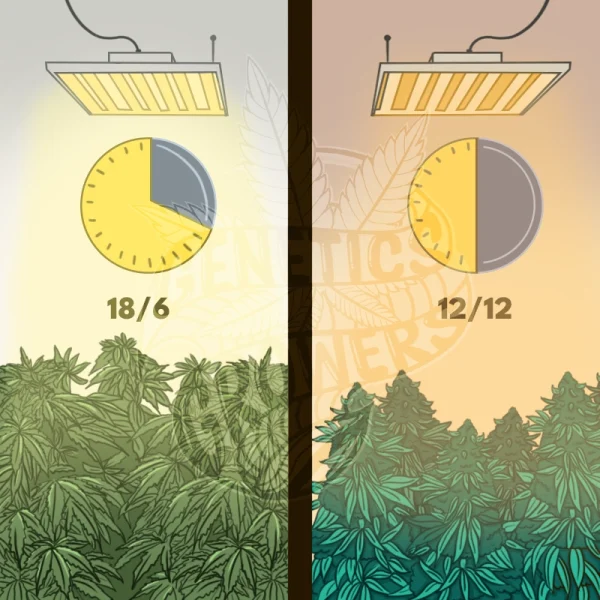
Among cultivated species, Cannabis sativa is one of the best-known examples of a photoperiod-sensitive plant. Rather than flowering at a fixed age, most traditional cannabis cultivars wait until changing seasonal light patterns signal that it is time to begin the reproductive phase. This evolutionary adaptation allows the plant to maximize reproductive success by flowering under favorable environmental conditions (Toth et al., 2022).
During the vegetative stage, cannabis plants continue producing leaves, stems, and branches while receiving extended daily light exposure. As nights become longer, phytochromes detect these changes and trigger a complex cascade of physiological responses that initiates flowering.
In indoor cultivation, growers replicate these seasonal signals by carefully controlling lighting schedules. This allows flowering to be induced at the desired time, providing greater control over plant size, production cycles, and harvest planning.
Understanding how photoperiodism influences cannabis development enables cultivators to optimize plant management rather than relying solely on trial and error. By working with the plant’s natural biological processes, growers can promote healthier development, optimize cultivation efficiency, and achieve more consistent flowering.
Stay connected with us for more cultivation science — follow Genetics Growers and join a community of growers learning together at geneticsgrowers.net.
What's the Difference Between Photoperiod and Autoflowering Cannabis?
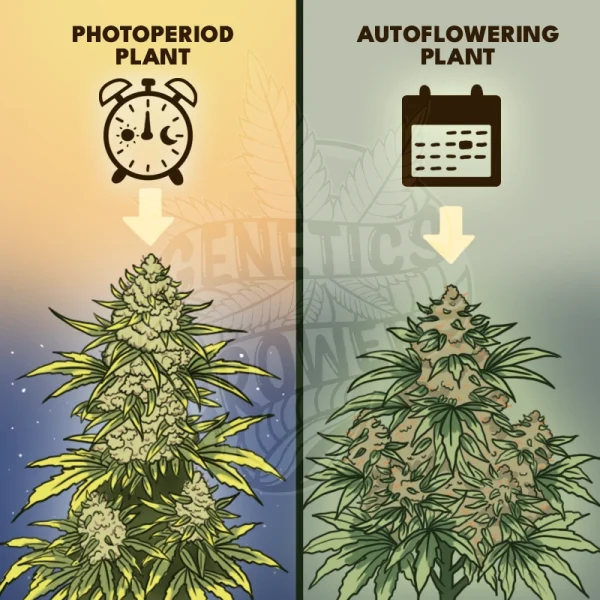
Not all cannabis plants rely on photoperiodism to flower. While traditional photoperiod cultivars depend on changes in day length, autoflowering varieties follow a different developmental strategy.
Photoperiod cultivars remain in the vegetative stage as long as they receive extended daily light exposure. Flowering begins only after the plant experiences sufficiently long periods of uninterrupted darkness, signaling that seasonal conditions have changed (Toth et al., 2022).
Autoflowering plants, by contrast, initiate flowering primarily according to their developmental age rather than day length. This day-neutral flowering habit is associated with genetic loci introduced through breeding from Cannabis ruderalis populations, allowing these cultivars to flower independently of photoperiod (Toth et al., 2022).
This biological distinction gives growers greater flexibility when selecting cultivation strategies. While photoperiod cultivars offer precise control over vegetative growth and flowering, autoflowering varieties are often preferred for their shorter life cycles, simplified lighting requirements, and ability to produce reliable harvests across a wider range of growing conditions.
Understanding Light to Cultivate Better Cannabis
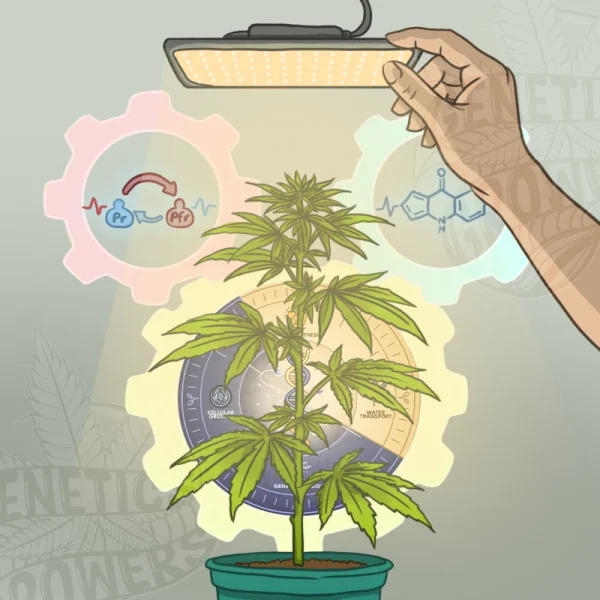
Photoperiodism is one of the fundamental biological mechanisms governing plant growth and reproduction. By sensing seasonal changes in light and integrating them with the circadian clock, plants synchronize flowering with remarkable precision.
For cannabis cultivators, recognizing how plants respond to light allows growers to make more informed cultivation decisions, improve plant health, and optimize production throughout the growing cycle. As research continues to uncover the genetic and molecular mechanisms behind photoperiodism, cultivators gain access to knowledge that goes beyond traditional growing practices. Understanding why plants respond to light—not simply how they respond—creates opportunities for more efficient cultivation, healthier crops, and greater consistency from seed to harvest.
Key Takeaways
- Photoperiodism allows plants to measure seasonal changes in day length and regulate flowering and other developmental processes.
- Phytochromes, cryptochromes, and the circadian clock work together to coordinate plant responses to light.
- Most cannabis cultivars are photoperiod-sensitive, whereas autoflowering varieties flower through genetically inherited day-neutral traits.
- Understanding these biological mechanisms helps growers optimize lighting strategies and improve cultivation outcomes.
Keep Learning with Genetic Growers
We invite you to continue your journey into the world of plant science by visiting Genetics Growers. Discover a wealth of research-based information, explore our cultivation guides, and connect with a community passionate about modern agriculture. Learn with us, share your growth, and unlock the full potential of your cultivating endeavors.
Explore more at Genetics Growers and keep growing with confidence.