

Gardening is never static—it evolves with the seasons. Each stage of the year brings unique challenges and opportunities, and knowing how to adapt your care routine is the key to keeping your garden thriving. At Genetics Growers, we believe that seasonal awareness is what turns a simple garden into a flourishing ecosystem.
Whether you’re a beginner eager to see your first blooms or a seasoned gardener chasing bigger harvests, adjusting your practices across the year can transform your results. The good news? With the right strategies, your plants can stay resilient, productive, and beautiful no matter the season.
Why Seasonal Plant Care Matters
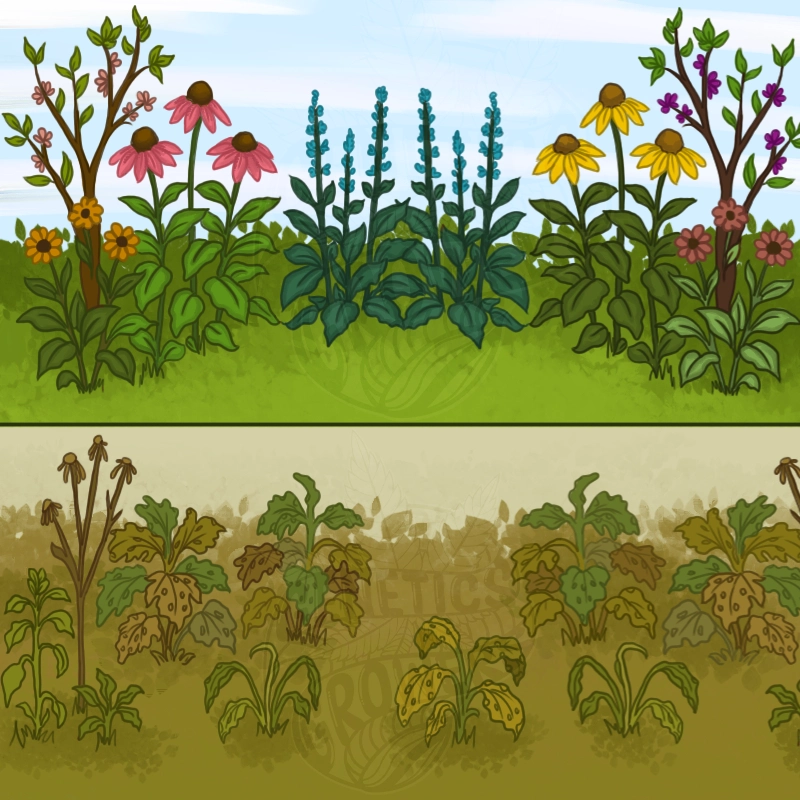
Plants don’t just grow; they respond to cycles of light, temperature, and moisture. Seasonal care means working with these natural rhythms rather than against them. This proactive approach reduces plant stress, improves yields, and minimizes pest and disease problems.
Did you know? The Royal Horticultural Society found that gardens receiving seasonally adapted care show stronger growth and higher productivity. Something as simple as mulching in summer or insulating in winter can dramatically increase resilience.
How Seasons Affect Plant Health
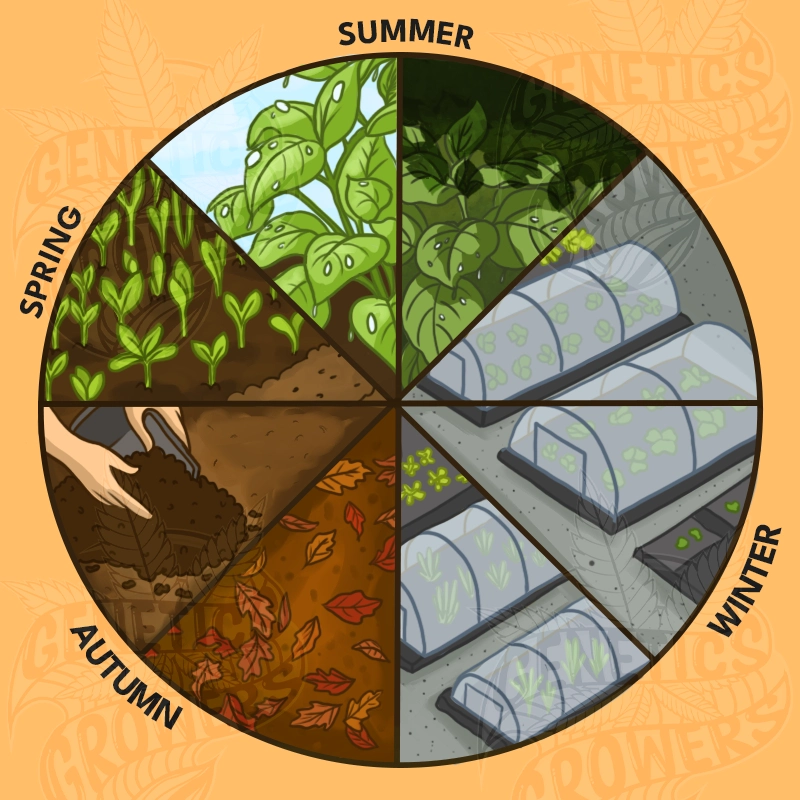
- Spring – Growth Kickstart:
Enrich the soil, fertilize, and start planting. Rising light and warmth fuel new life. - Summer – Heat Management:
Focus on consistent watering, shading, and mulching to prevent stress. - Fall – Transition & Preparation:
Prune, amend soil, and prepare plants for dormancy.
Winter – Protection Phase:
Reduce watering, insulate roots, and guard against frost.
For more seasonal plant care tips and strategies, explore our resources at Genetics Growers.
Tailoring Plant Care to Different Plant Types
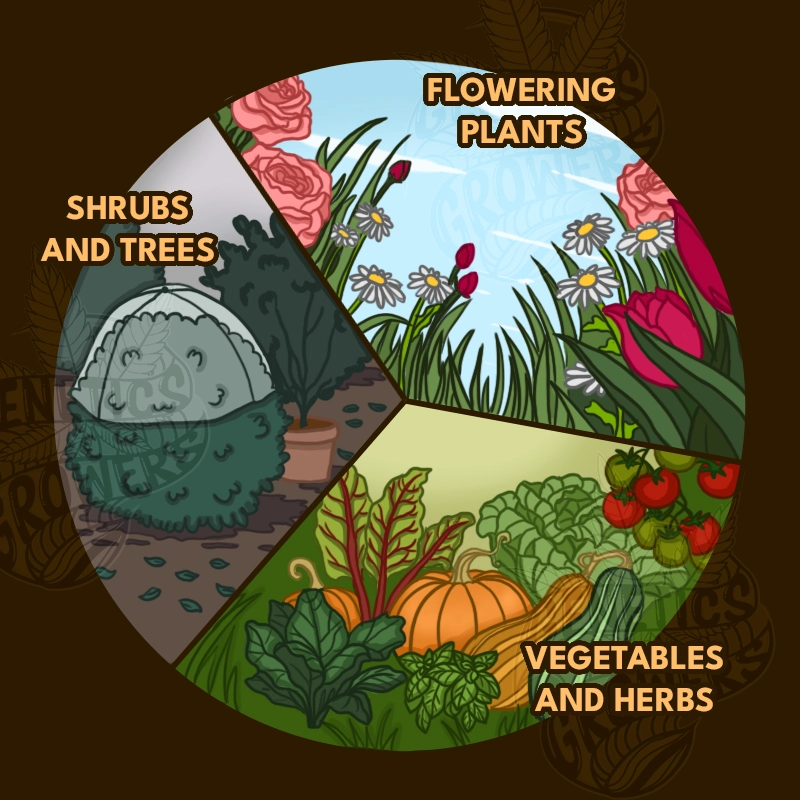
Flowering Plants
- Spring: Plant in nutrient-rich, well-draining soil.
- Summer: Deadhead regularly to extend blooming.
- Fall: Cut back spent flowers and mulch beds.
- Winter: Plan and order seeds for next season.
Example: Roses thrive with balanced fertilizer in spring and need pest checks in summer.
Shrubs and Trees
- Winter: Best season for pruning and shaping.
- Spring: Mulch and fertilize for strong growth.
- Summer: Deep watering during hot, dry spells.
- Fall: Inspect for pests or disease before dormancy.
Example: Hydrangeas enjoy late-winter pruning and require steady watering in summer.
Vegetable and Herb Gardens
- Spring: Prepare beds and start seedlings.
- Summer: Prioritize watering and pest management.
- Fall: Harvest crops and sow cool-season varieties.
- Winter: Plan crop rotation and next year’s garden.
Example: Tomatoes yield best with deep, consistent watering and regular feeding.
Explore more seasonal plant care tips and strategies at Genetics Growers to enhance your gardening practices and ensure year-round garden health.
Common Mistakes in Seasonal Plant Care
Ensuring your garden thrives year-round requires understanding and avoiding common pitfalls in seasonal plant care. Many gardeners, both novice and experienced, often make similar errors that can hinder plant health and productivity. By identifying these mistakes and learning how to correct them, you can significantly enhance your garden’s vitality.Below, we explore some typical mistakes in seasonal plant care and offer practical solutions to prevent them. These insights are drawn from expert advice and competitor analyses, ensuring you have the best strategies at your disposal.
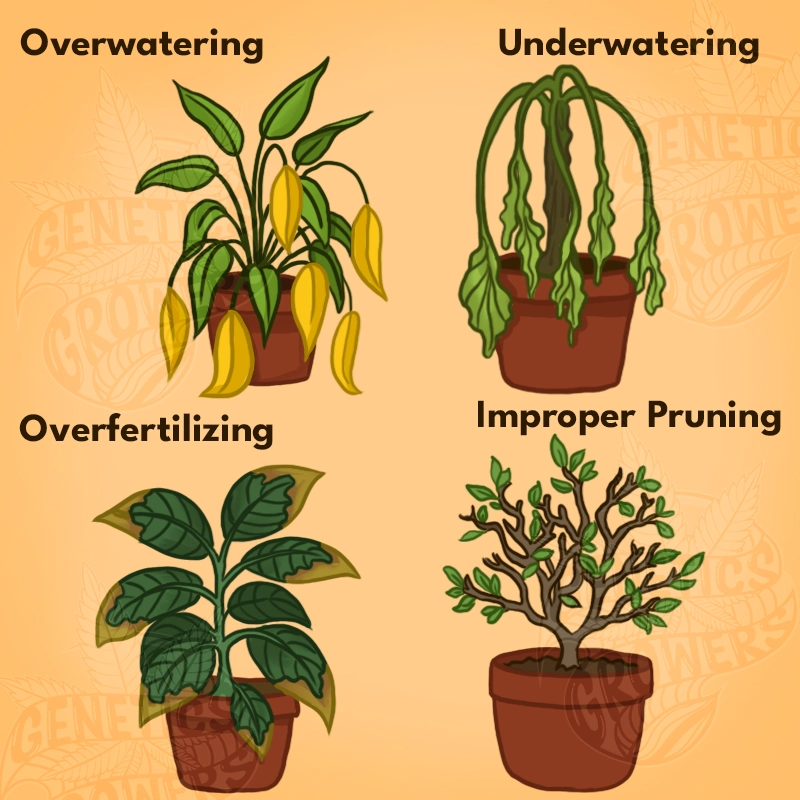
- Over- or under-watering:
Check soil moisture before watering. Mulch in summer to retain water. - Fertilizing at the wrong time:
Balanced fertilizer in spring; low-nitrogen in fall. - Pruning errors:
Research plant-specific timing to avoid removing next year’s blooms.
By correcting these habits, you’ll ensure your plants stay healthy and resilient all year.
By avoiding these common mistakes and implementing seasonal plant care tips, you can ensure your garden remains healthy and vibrant throughout the year.
For more detailed strategies and expert advice, visit Genetics Growers and explore our comprehensive resources.
Embrace the Seasons for a Thriving Garden
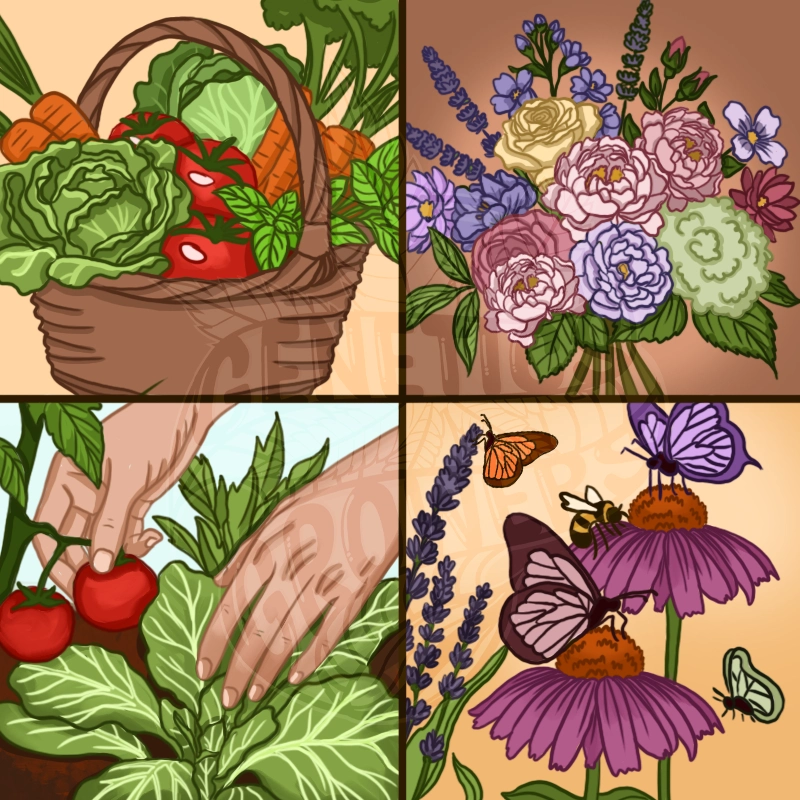
Seasonal plant care is not just about survival—it’s about cultivating abundance. By aligning your gardening practices with nature’s rhythms, you ensure a healthy, productive, and inspiring green space.
Key Takeaways for Year-Round Garden Health
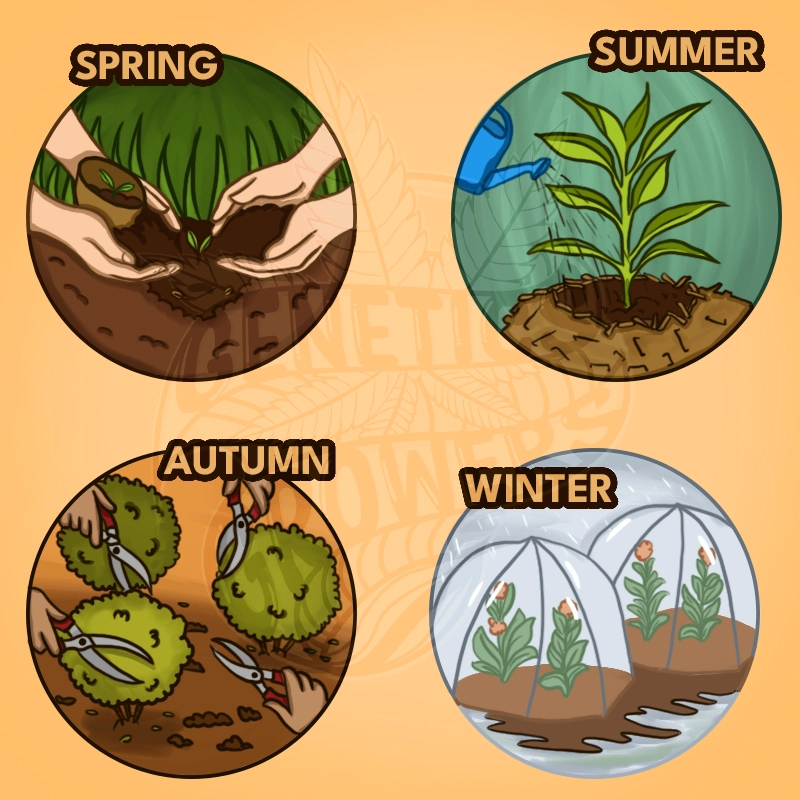
- Spring: Enrich soil, plant new seeds.
- Summer: Water consistently, mulch to retain moisture.
- Fall: Prune, amend soil, prepare for dormancy.
- Winter: Insulate, reduce watering, prevent frost damage.
Incorporating these seasonal plant care tips not only boosts plant health but also fosters a deeper connection with nature. This journey is as much about understanding plant behavior as it is about personal growth and discovery. So, embrace the seasons and watch your garden thrive.