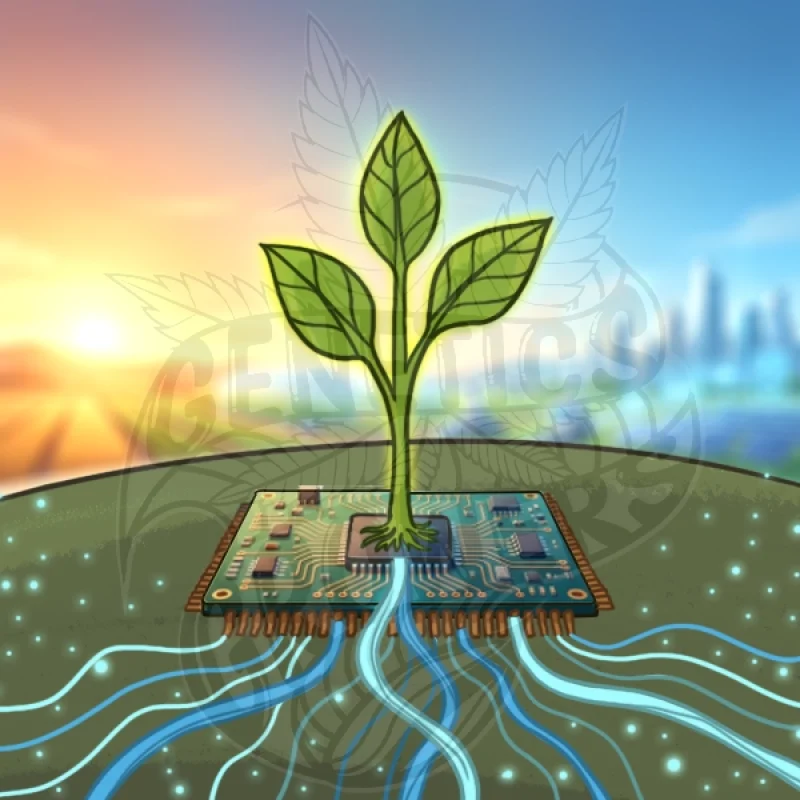
SMART FARMING: TOP AGRICULTURAL TECHNOLOGIES REVOLUTIONIZING GARDENING

As global food demand rises and environmental pressures intensify, agriculture is entering a new era driven by innovation. Smart farming integrates advanced technologies into traditional cultivation, allowing growers to increase productivity, reduce waste, and make more informed decisions. At Genetics Growers, we explore how these tools are reshaping plant health management, resource efficiency, and sustainable cultivation practices for modern growers.
Artificial Intelligence in Agriculture
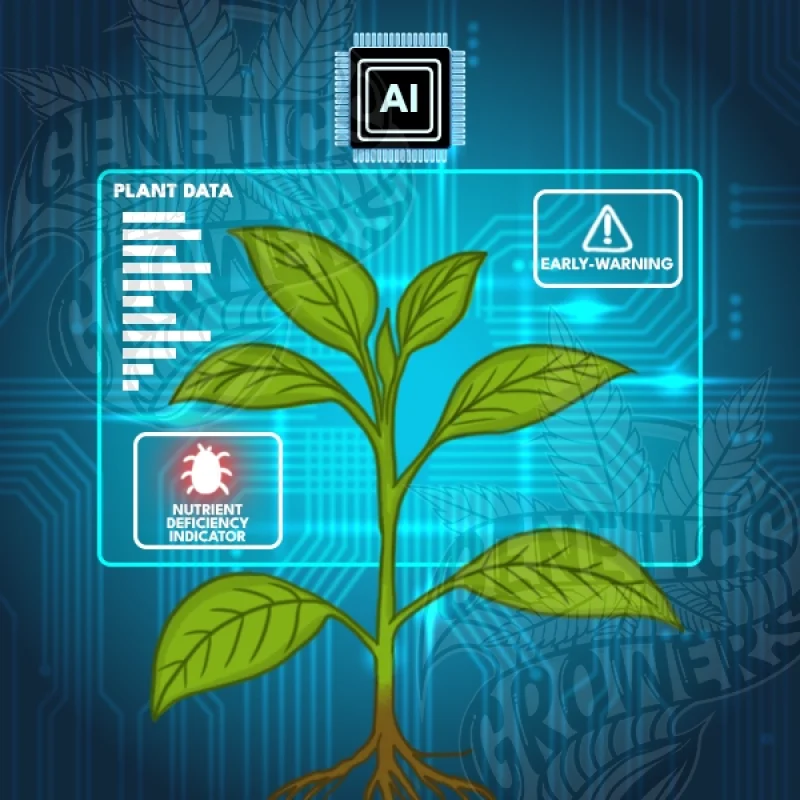
Artificial intelligence is transforming agriculture by analyzing vast amounts of data to optimize growing conditions. AI-powered systems can monitor plant development, predict yields, and identify potential issues before they become serious problems.
Key benefits include:
- Improved plant health and yield potential
- More sustainable growing practices
- Early detection of pests, diseases, and nutrient deficiencies
By turning data into actionable insights, AI enables growers to make precise adjustments that enhance efficiency and reduce environmental impact.
Smart Irrigation Systems
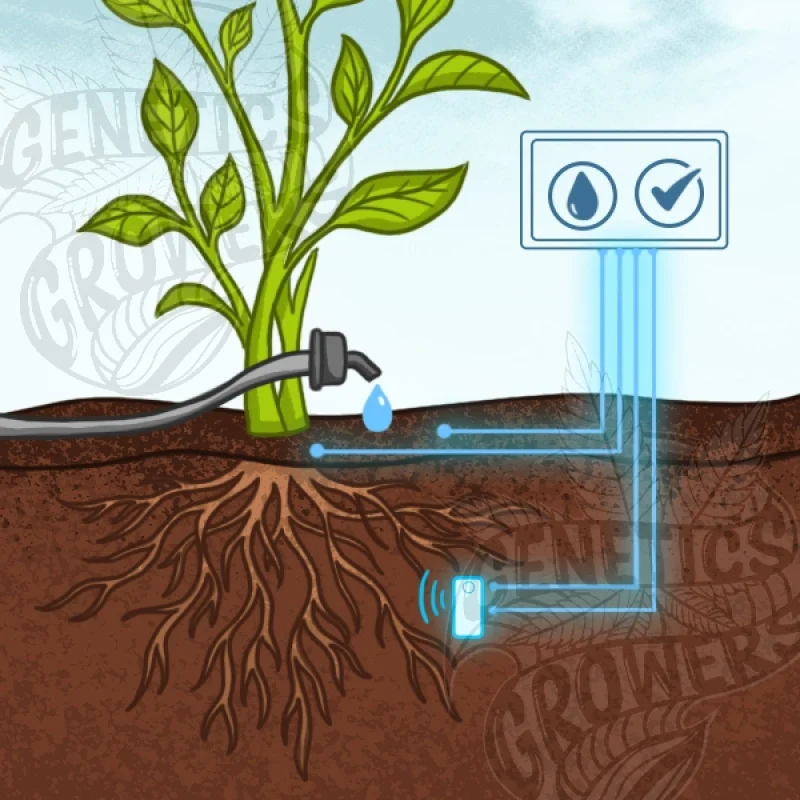
Water management can determine the success or failure of a grow. Smart irrigation technologies use sensors and automation to deliver water only when and where it is needed, preventing waste and protecting plants from stress.
How Smart Irrigation Works
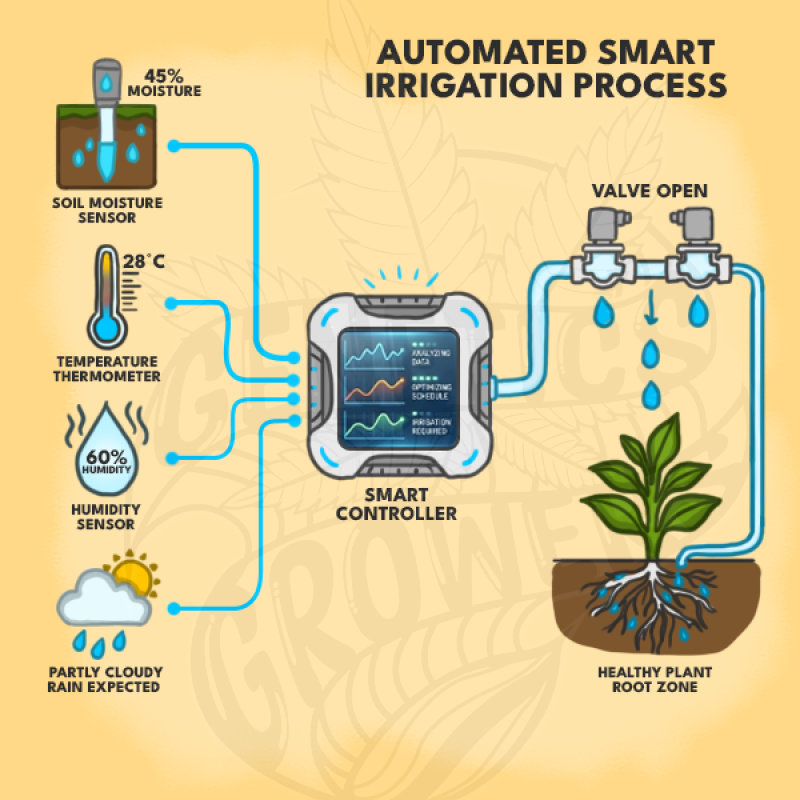
Modern systems rely on real-time data from environmental sensors to regulate watering schedules automatically. They monitor:
- Soil or substrate moisture
- Temperature and humidity
- Weather conditions
This approach helps growers apply water and nutrients exactly where needed while reducing the risk of plant stress caused by overwatering or drought.
Popular Smart Irrigation Technologies
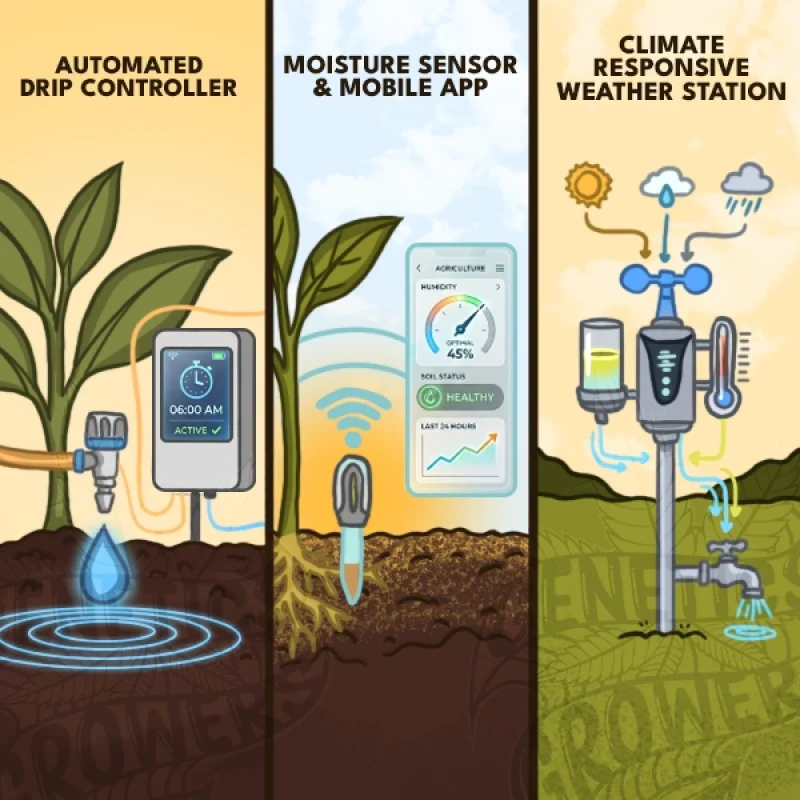
Common solutions include drip irrigation with automated controllers, moisture sensors connected to mobile apps, and climate-responsive systems that adjust irrigation based on environmental changes.
Internet of Things (IoT) and Environmental Monitoring
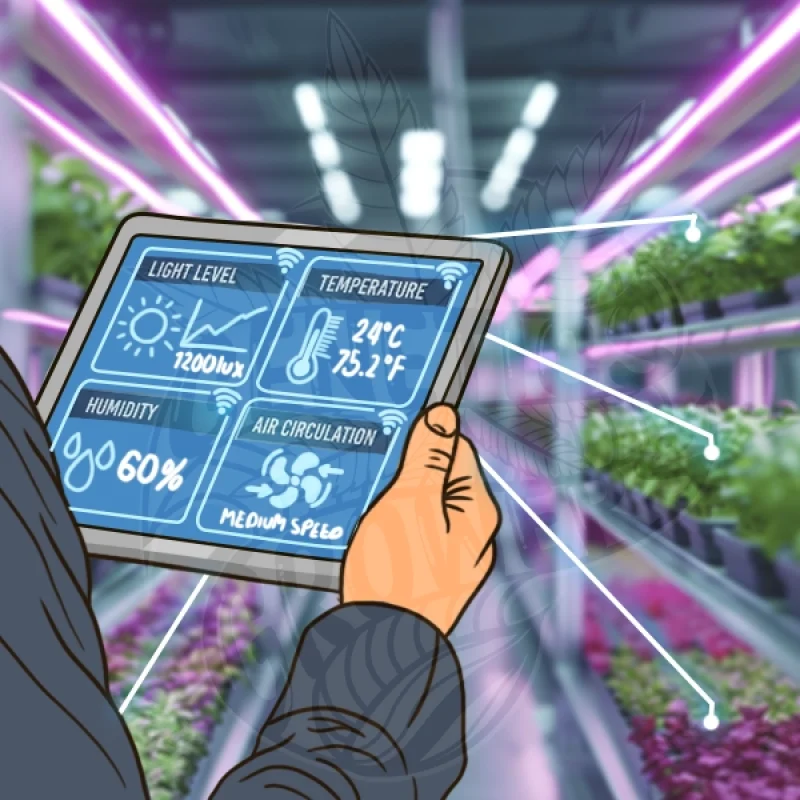
IoT devices allow growers to monitor and manage their operations remotely. Sensors placed throughout a grow space collect data on light levels, temperature, humidity, and air circulation.
These technologies help growers:
- Detect plant stress early
- Maintain a consistently controlled growing environment
- Optimize energy and resource use
With real-time alerts and remote access, growers can respond quickly to changing conditions, preventing losses and improving overall crop performance.
Current Limitations and the Future of Smart Growing
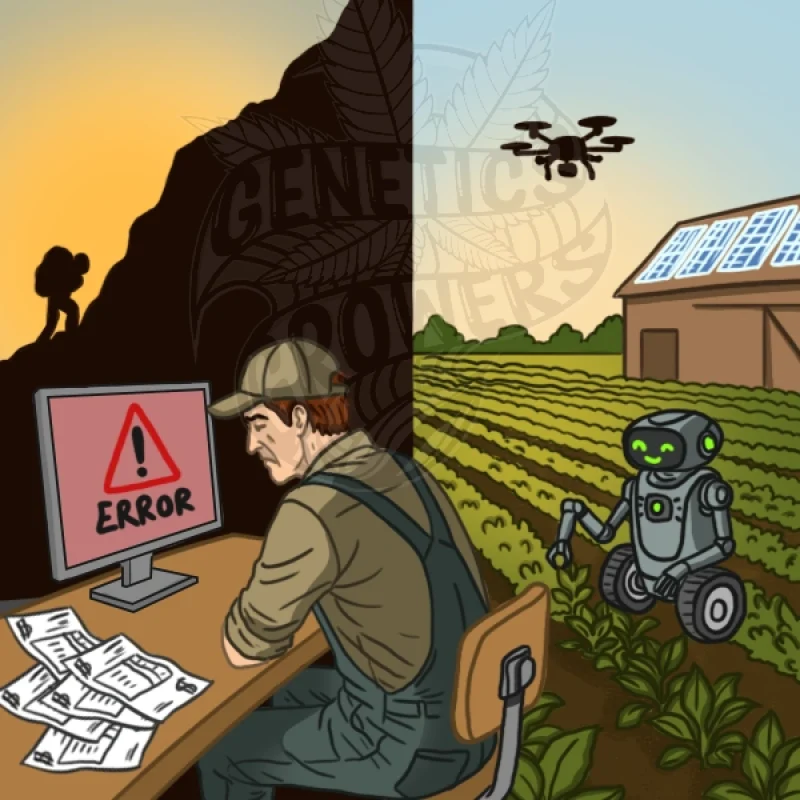
Despite its advantages, smart farming also presents challenges. Initial investment costs, technical knowledge requirements, and data management can be barriers for some growers. However, as technology becomes more accessible and affordable, adoption continues to expand across both commercial and small-scale operations.
The future of agriculture will likely combine automation, data analytics, and sustainable practices to create resilient food systems capable of feeding a growing population while protecting natural resources.
What Every Modern Grower Should Know
Smart farming is not about replacing traditional knowledge but enhancing it. Growers who adopt these technologies gain greater control over their environments, reduce resource consumption, and improve crop quality.
Key insights include:
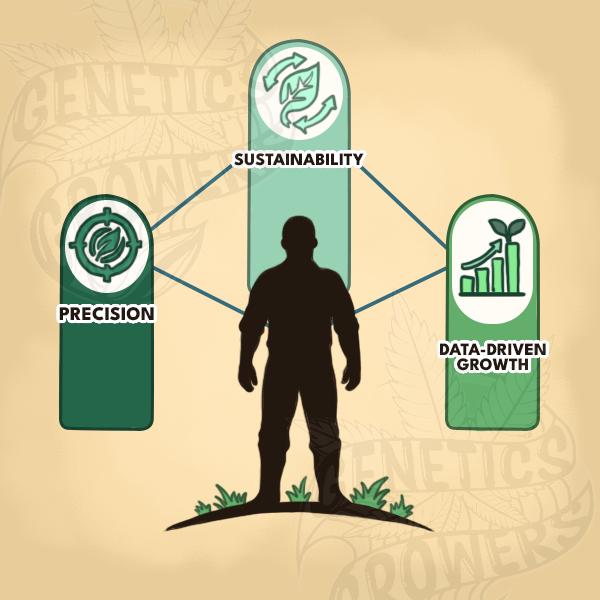
- Technology enables precision and efficiency
- Sustainability and productivity can go hand in hand
- Data-driven decisions lead to healthier plants and higher yields
Start Growing with Smarter Strategies
The integration of intelligent tools into agriculture marks a turning point for modern cultivation. Whether managing a small garden or a large-scale operation, adopting smart farming technologies can lead to more efficient practices and sustainable growth.
As innovation continues to evolve, growers who embrace these advancements will be better prepared to face future challenges and opportunities in agriculture. For more insights on integrating advanced techniques into your cultivation practices, explore the resources available at Genetics Growers.