



loader image
Introducción (2)

Environmental awareness has grown significantly in recent years. Sustainable living is no longer simply a trend; it has become an important approach to protecting natural resources and addressing climate change. By adopting environmentally responsible habits, individuals can support ecological balance while improving their own quality of life.

At Genetics Growers, we believe caring for the environment is closely connected to how we live and grow. Our mission is to share practical knowledge that helps people cultivate healthier gardens and more sustainable lifestyles.

The following strategies offer simple ways to incorporate sustainability into everyday life. Small adjustments in daily habits can gradually lead to meaningful environmental improvements and help support a healthier ecosystem.

Adopt a Plant-Based Diet for a Healthier Planet

Adopt a Plant-Based Diet for a Healthier Planet

One effective way to reduce environmental impact is by incorporating more plant-based foods into daily meals. Producing plant-based foods typically uses fewer natural resources and generates fewer greenhouse gas emissions than many animal-based products.

Beyond environmental benefits, plant-based diets can also contribute to personal health. By choosing plant-focused meals more frequently, individuals can help move toward a more sustainable future.

Environmental Advantages of Plant-Based Diets

Environmental Advantages of Plant-Based Diets

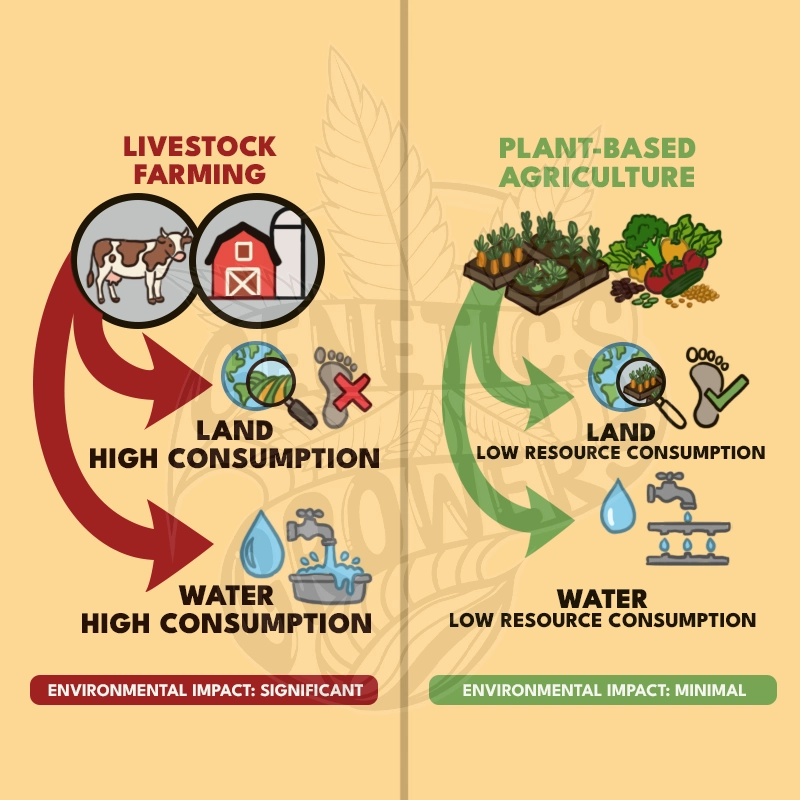
Food production contributes significantly to global greenhouse gas emissions. A considerable share of these emissions comes from livestock farming, which requires large amounts of land, water, and energy.

In comparison, plant-based foods generally require fewer resources during production. Crops such as legumes, grains, and vegetables demand less water and land than animal agriculture. These differences highlight how dietary choices can influence environmental sustainability.

Choosing more plant-based meals can therefore help support a more balanced and resilient ecosystem.

Simple Ways to Add More Plant-Based Meals to Your Diet

Adding plant-based meals to your routine can start with simple adjustments to everyday cooking habits.


Some practical strategies include:

• Introduce one or two plant-based meals each week
• Experiment with recipes that highlight vegetables and legumes
• Use ingredients such as beans, lentils, tofu, or quinoa as protein sources
• Choose seasonal and locally grown produce when possible


These small actions help individuals better understand the effects of their dietary choices while encouraging more sustainable eating habits.

Improving Energy Efficiency for a More Sustainable Home

Improving Energy Efficiency for a More Sustainable Home

Another important step toward sustainable living is improving energy efficiency at home. Reducing energy consumption lowers carbon emissions while also decreasing household costs.

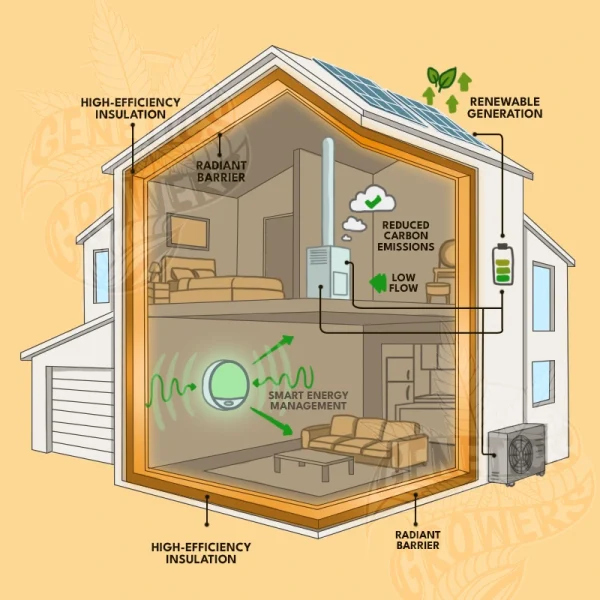
Energy-efficient homes use fewer resources while maintaining comfort. Simple changes such as upgrading appliances, improving insulation, and using smart technology can make a significant difference.

Switching to Energy-Efficient Appliances

Switching to Energy-Efficient Appliances

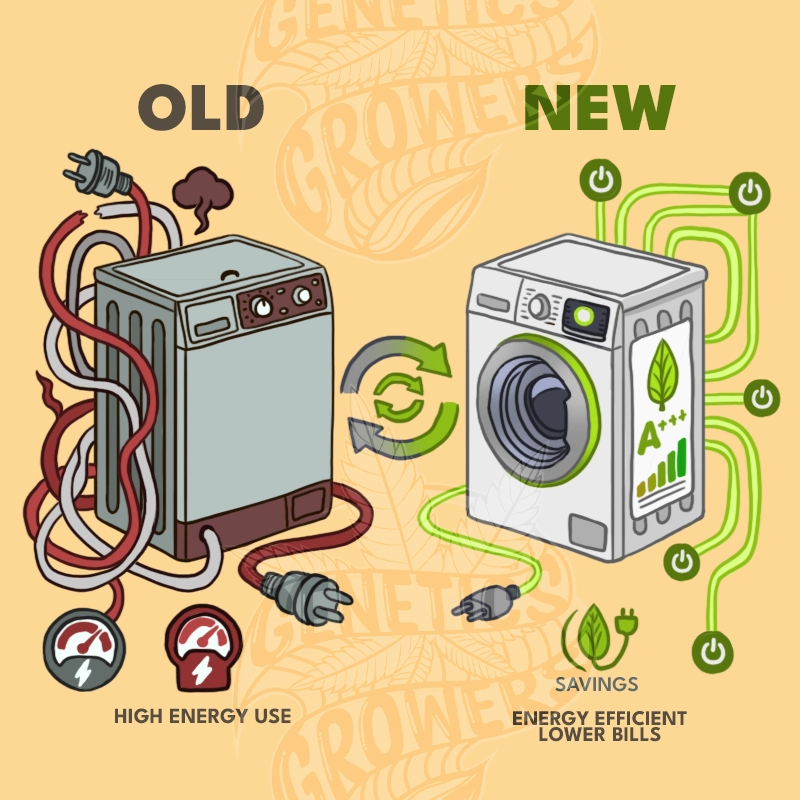
Replacing outdated appliances with energy-efficient models is one of the easiest ways to reduce energy consumption. Modern appliances are designed to perform effectively while using less electricity and water.

Households that make this change often notice lower energy bills and a reduced environmental footprint.


Using Smart Thermostats

Smart thermostats improve heating and cooling efficiency by adjusting temperatures automatically according to daily schedules. This prevents unnecessary energy use when residents are away.

By optimizing temperature control, smart thermostats help reduce energy consumption and support a more sustainable home environment.


Improving Home Insulation


Effective insulation helps regulate indoor temperatures and reduces heat loss. Homes with proper insulation require less energy for heating and cooling, resulting in both environmental and financial benefits.

Improving insulation in walls, roofs, and floors can significantly increase overall energy efficiency.


Eco-Friendly Transportation to Reduce Your Carbon Footprint

Eco-Friendly Transportation to Reduce Your Carbon Footprint

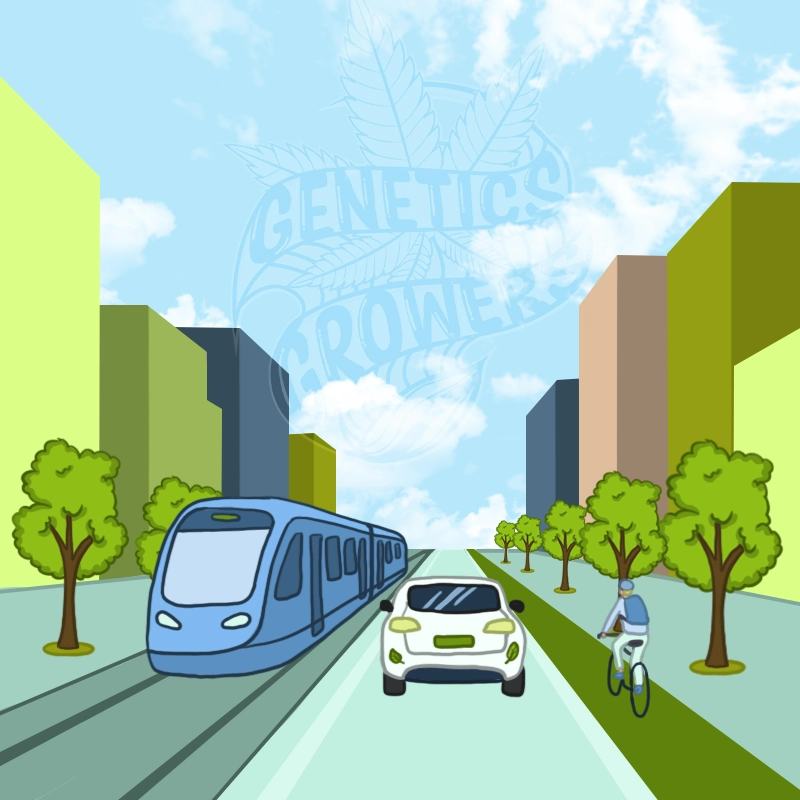
Transportation is another major contributor to global carbon emissions. The choices people make regarding daily travel can significantly influence their environmental impact.

Selecting transportation options with lower environmental impact helps reduce emissions and promotes more sustainable mobility.

Electric Vehicles as a Sustainable Alternative

Electric Vehicles as a Sustainable Alternative

Electric vehicles are becoming an increasingly popular option for reducing transportation-related emissions. Unlike conventional vehicles, they do not produce direct exhaust emissions, which improves air quality.

As charging infrastructure continues to expand, electric vehicles are becoming more accessible for many consumers.


Public Transportation


Public transportation systems allow many people to travel using significantly fewer resources per passenger. Buses, trains, and metro systems reduce traffic congestion while lowering emissions.

Whenever possible, using public transportation is an effective way to reduce personal environmental impact.

Cycling as a Sustainable Transportation Option

Cycling as a Sustainable Transportation Option

Cycling offers a clean and efficient transportation method for short distances. By replacing short car trips with bicycle travel, individuals can eliminate fuel consumption while also improving physical health.

Many cities are expanding cycling infrastructure to encourage more sustainable mobility options.

Building a More Sustainable Future

Building a More Sustainable Future

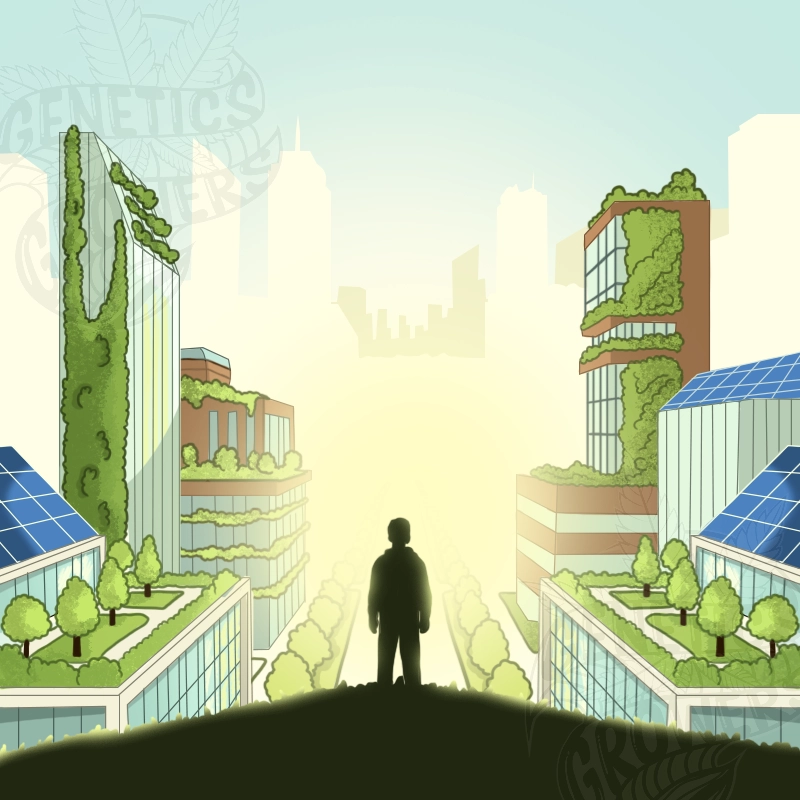
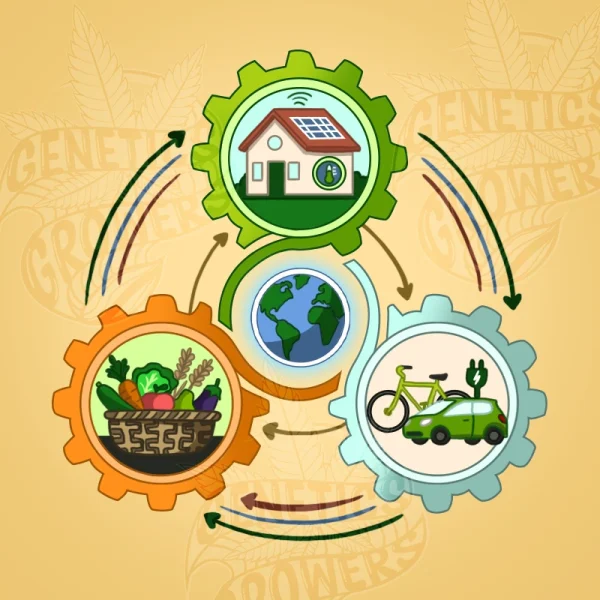
Living sustainably does not require drastic lifestyle changes. Instead, meaningful environmental progress often comes from consistent everyday actions.

Even minor adjustments can lead to meaningful results. Individuals can contribute to sustainability by:

  • Making homes more energy efficient
  •  Choosing more environmentally friendly transportation options
  •  Incorporating more plant-based meals

These actions help support sustainable lifestyles and environmental innovation while helping move toward a more sustainable future.

At Genetics Growers, we encourage our readers to continue exploring sustainable practices and to share this knowledge within their communities. Every small action matters, and together these efforts help build a healthier and more sustainable planet for future generations.

Subscribe
Notify of
guest
0 Comments
Oldest
Newest Most Voted
Inline Feedbacks
View all comments
0
Would love your thoughts, please comment.x
()
x