

Urban living spaces are increasingly being transformed into lush green sanctuaries without requiring expansive land, thanks to vertical gardening. As cities grow denser and space becomes more limited, cultivating upwards has emerged as a practical and sophisticated solution for modern growers. This approach goes beyond aesthetics—it empowers gardeners, both novice and experienced, to maximize efficiency in small environments while contributing to healthier, more sustainable lifestyles.
Vertical gardening is more than a technique; it represents a sustainable response to today’s urban challenges. By growing food locally, practitioners reduce their reliance on commercial markets that depend heavily on preservatives and chemicals. This not only enhances food quality but also fosters eco-friendly living. Additionally, vertical gardens help absorb carbon dioxide, release oxygen, and act as natural filters against urban noise and pollution. Their benefits extend from individual households to entire urban ecosystems.
Another strength of vertical gardening is its accessibility. From do-it-yourself projects using recycled materials to advanced pre-fabricated systems, there are solutions for every budget and skill level. Beyond functionality, these gardens promote well-being by reducing stress, boosting mood, and strengthening community ties through shared green spaces. Turning ordinary walls into living landscapes has the power to spark collaboration and connection.
Technological innovations are also revolutionizing vertical gardening. Hydroponics, automated irrigation, and real-time plant health sensors make the practice more efficient and engaging. These tools allow growers to achieve greater yields while reducing manual effort, making vertical gardening both practical and rewarding.
Vertical Gardening and Its Benefits
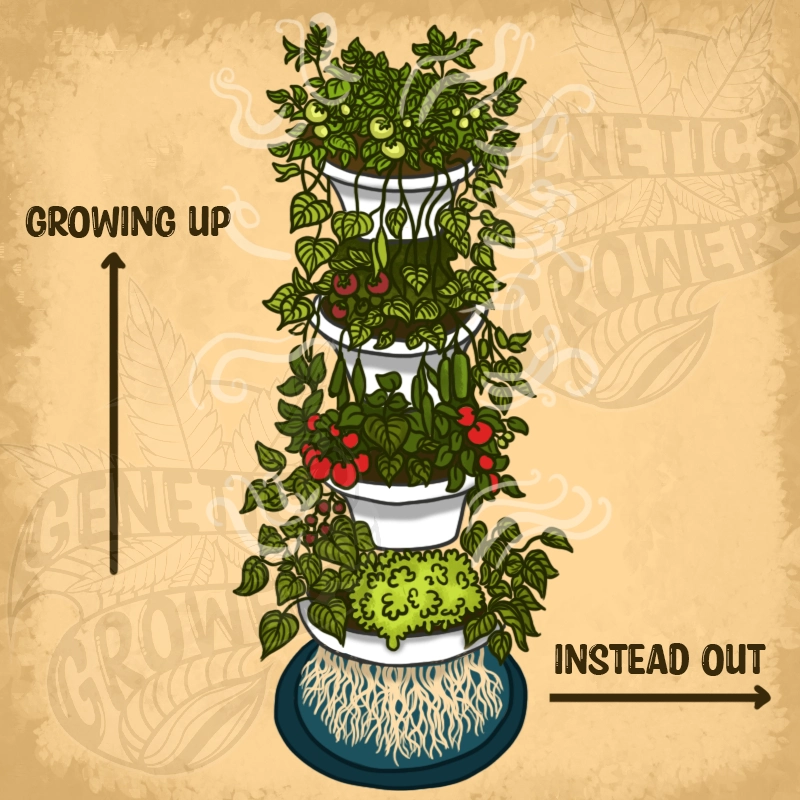
Vertical gardening focuses on growing upward rather than outward, making it essential for those seeking productivity in limited areas. Its advantages include better space utilization, improved air circulation, and healthier plant growth.
By elevating plants, growers reduce exposure to soil-borne pathogens and pests while creating more vibrant, disease-resistant crops. The visual appeal of vertical gardens also transforms plain spaces into striking displays of greenery.
Space Optimization in Urban Environments
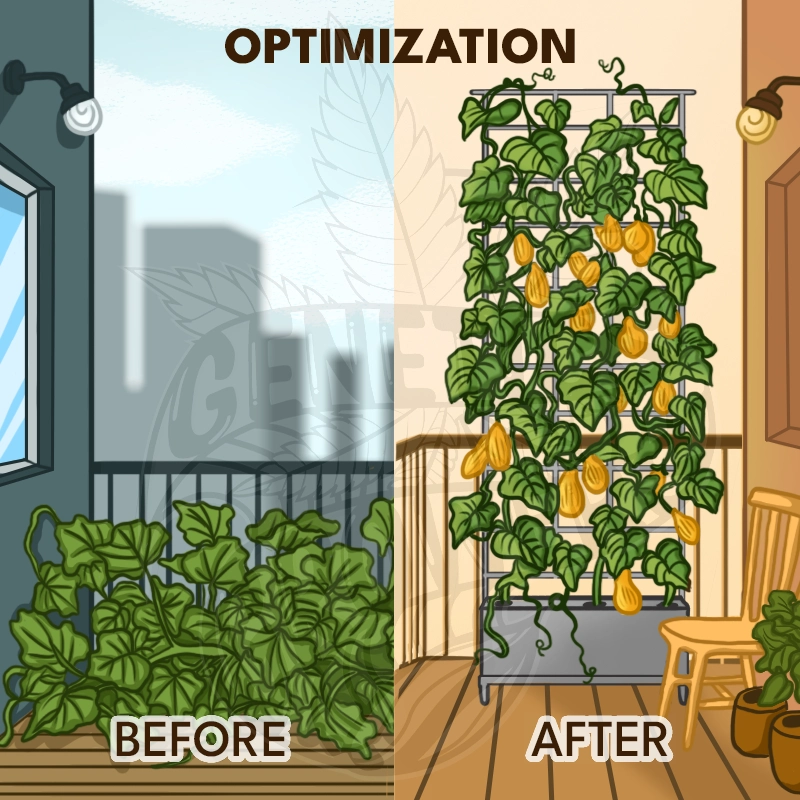
In cities where outdoor space is scarce, vertical gardening unlocks the potential of unused surfaces like balconies, fences, and walls. For example, squash plants that might require 20 square feet horizontally can thrive vertically in just a fraction of the space. This efficiency enables greater plant diversity, even in small apartments or urban backyards.
Environmental and Health Benefits

Vertical gardens directly support sustainability by reducing the carbon footprint of conventional agriculture. Growing food locally minimizes transport emissions, while the plants themselves improve air quality. Their calming presence contributes to stress reduction, mental well-being, and healthier urban living.
Successful Urban Vertical Gardens
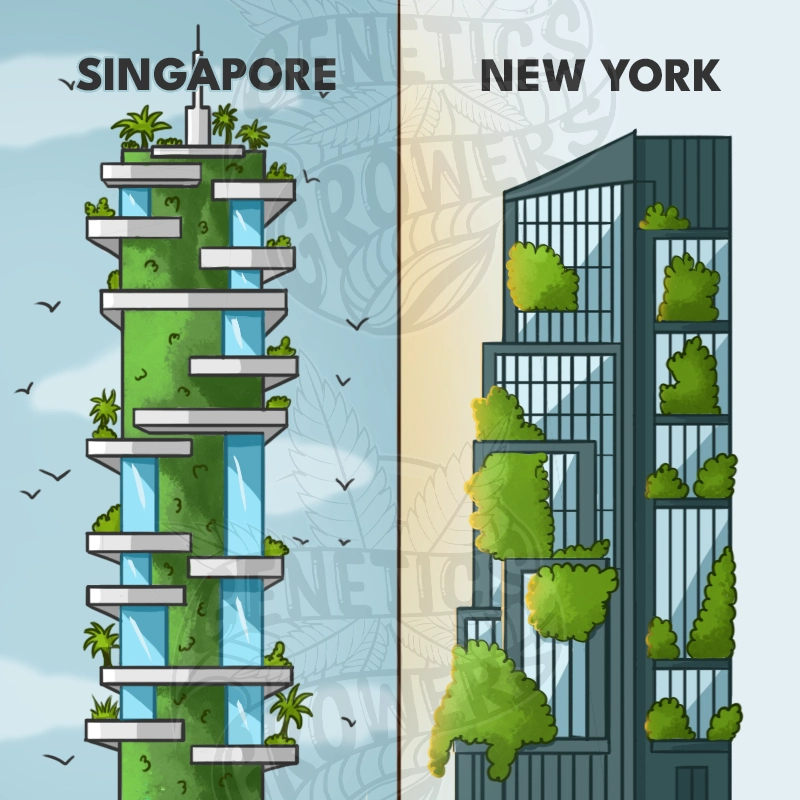
Cities such as New York, Tokyo, and Singapore have embraced vertical gardens in public spaces and private buildings, proving their versatility and benefits. These green installations not only beautify the environment but also attract pollinators, promote biodiversity, and mitigate heat in dense urban areas.
Horticultural experts stress the importance of careful plant selection and support systems. As horticulturist Jessica Sowards notes, “Vertical gardening expands your garden space and makes gardening much more successful.”
To explore more about vertical gardening techniques and tips, visit Genetics Growers and join a community of passionate growers.
Essential Techniques for Vertical Gardening
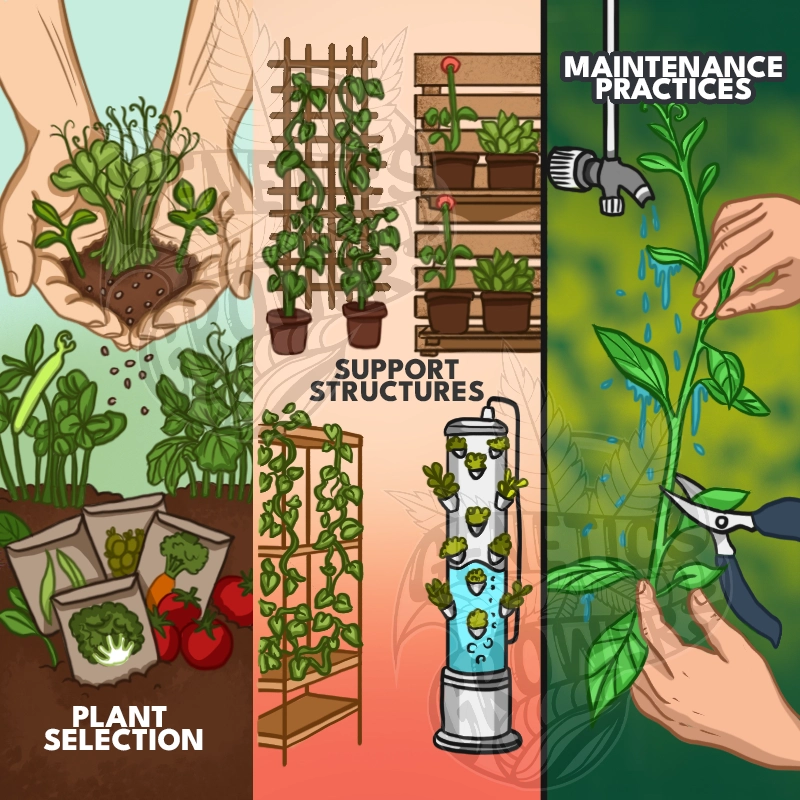
Success in vertical gardening depends on three pillars: choosing the right plants, installing proper support structures, and committing to consistent maintenance.
Plant Selection
Climbers and vining crops such as pole beans, peas, cucumbers, and indeterminate tomatoes thrive in vertical systems. Light requirements and climate compatibility should also guide plant choices. For example, cool-climate growers might prioritize frost-tolerant varieties.
Support Structures
From simple trellises and pallets to sleek commercial systems, support is crucial. Budget-friendly gardeners often repurpose recycled materials, while others invest in durable, aesthetically pleasing options like metal or bamboo frames.
Maintenance Practices
Vertical systems can dry out faster than traditional beds, making irrigation essential. Drip irrigation or self-watering containers help maintain consistent moisture. Regular pruning, tying, and pest monitoring also ensure healthy, productive plants.
For more tips and resources on vertical gardening, explore Genetics Growers and join a community of passionate gardeners.
Technological Advancements in Vertical Gardening
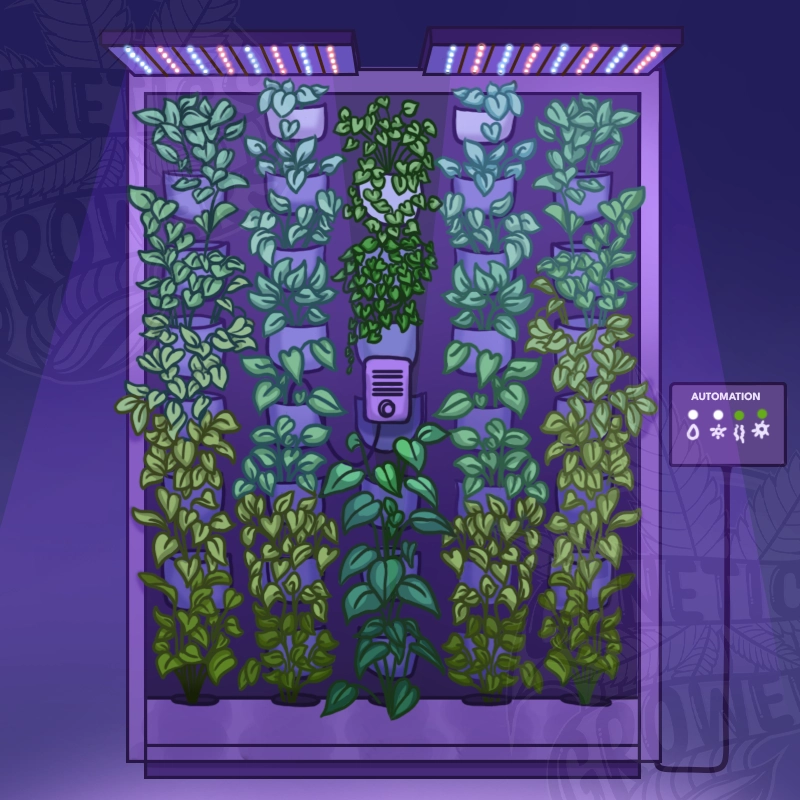
Innovation is rapidly shaping the future of vertical gardening. Hydroponics and aquaponics are increasingly common, enabling soil-free cultivation with nutrient-rich water. Automated irrigation and smart sensors simplify care by monitoring moisture, temperature, and plant health in real time.
LED grow lights also extend growing seasons by mimicking natural sunlight, ensuring plants thrive year-round regardless of outdoor conditions. Emerging trends include using recycled materials for systems and expanding community gardens in urban neighborhoods.
Case Studies and Expert Insights
Vertical gardens are already transforming global cities. New York integrates them into office buildings, while Singapore’s pioneering “vertical forests” cover entire skyscrapers with vegetation, creating habitats for wildlife and reducing urban heat. These real-world examples highlight the potential of vertical gardening to reshape urban landscapes.
Experts emphasize blending proven techniques with technology for best results. As Sowards explains, vertical gardening not only saves space but also amplifies success.
For more insights and resources on vertical gardening, visit Genetics Growers and join a community of passionate gardeners.
Implementing Vertical Gardening for Sustainable Urban Living
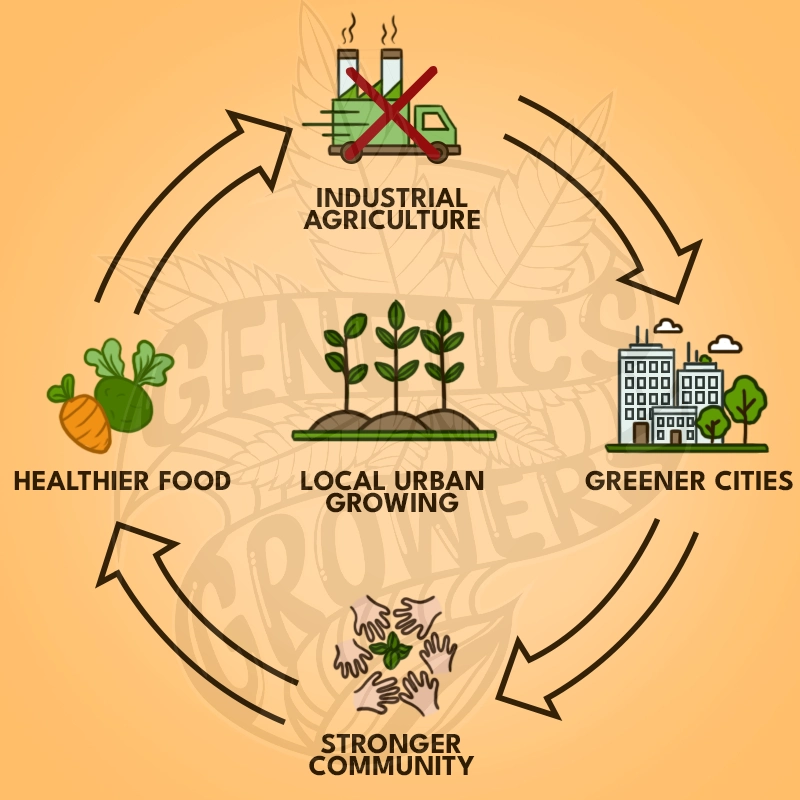
More than a trend, vertical gardening is a movement toward resilient and sustainable urban life. By reducing reliance on industrial agriculture and optimizing limited space, it enables healthier food, greener cities, and stronger communities.
Getting Started with Vertical Gardening
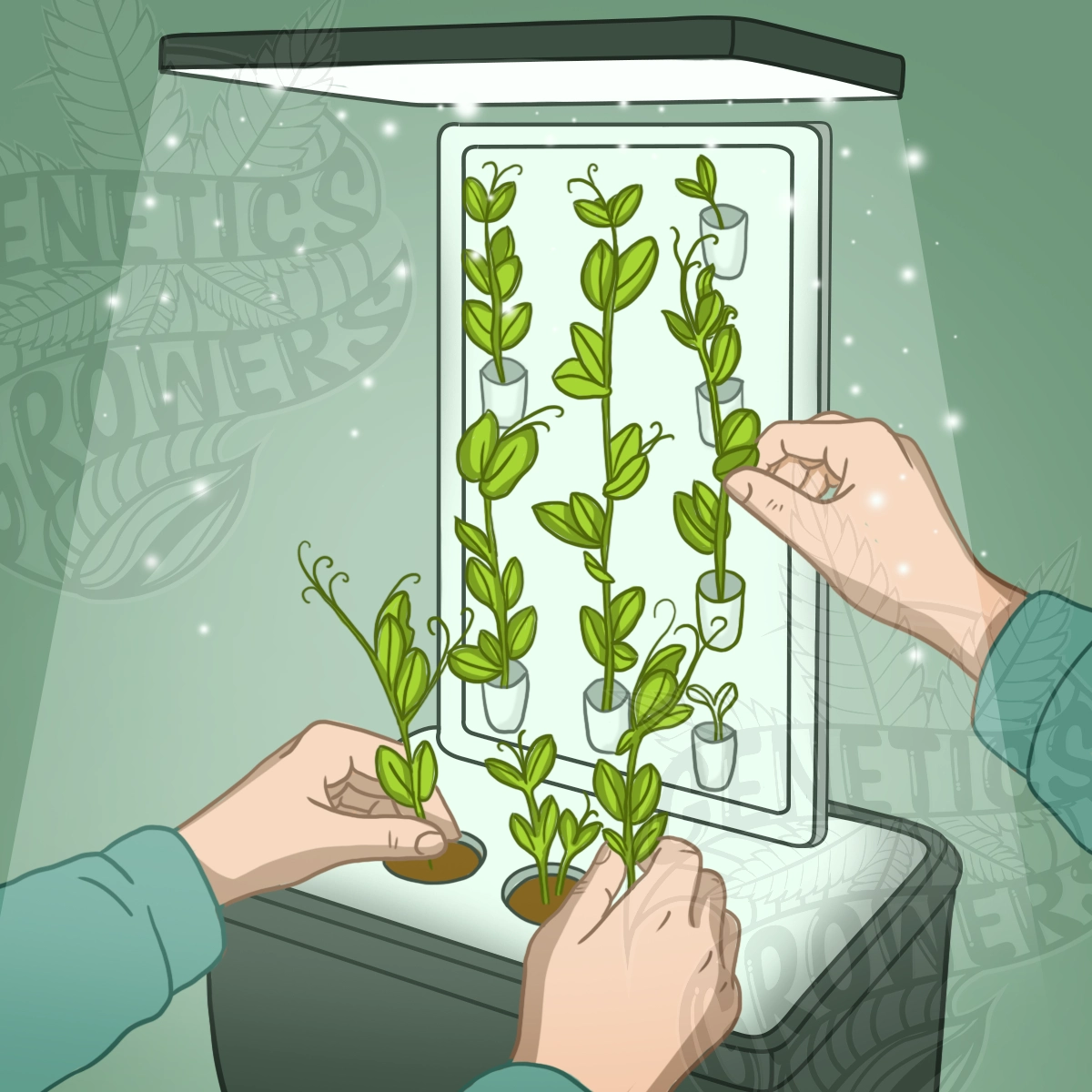
- Start small: Begin with a few climbing plants like beans or peas to get a feel for vertical gardening.
- Explore resources: Visit Genetics Growers for more tips and community support.
- Share your journey: Engage with fellow gardeners and share your experiences to inspire others.
Vertical gardening offers immediate rewards—fresh food, cleaner air, and beautiful spaces—while contributing long-term benefits to sustainable urban development. It is both a personal investment in well-being and a collective step toward greener cities.